Activity Zones and Rest Areas: Is One Temperature Really Enough?
Fitness centers, yoga studios, and Pilates studios are
classic examples of spaces where zones with very different activity levels and perceived temperatures coexist under one roof.
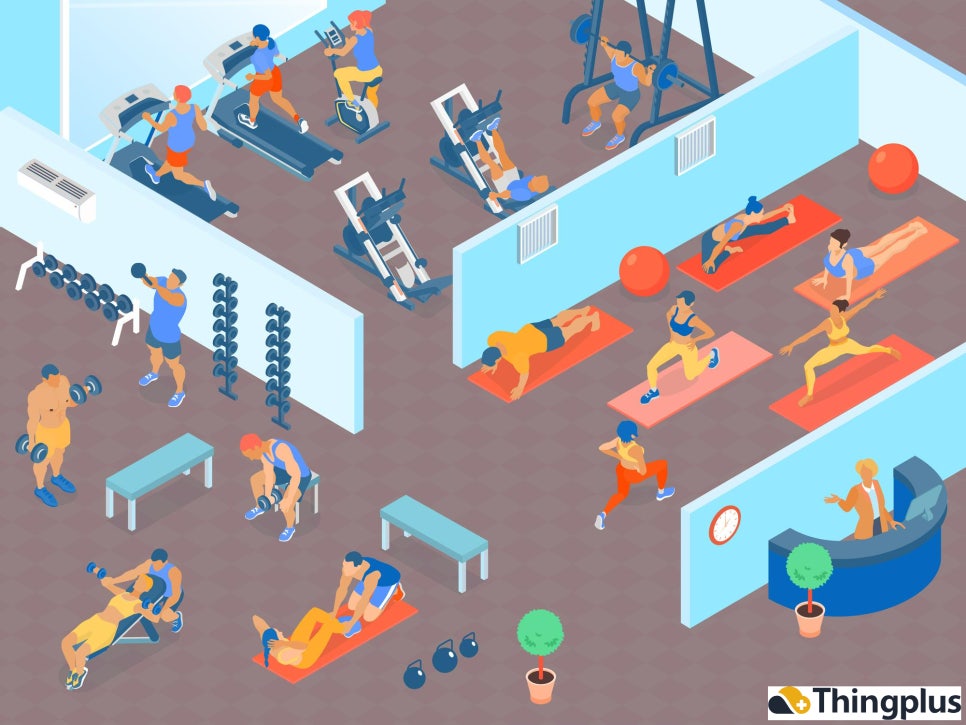
Workout zones need strong cooling as body temperatures rise,
while rest areas feel unpleasant with even a slight chill.
The problem is that most facilities control every zone with a single HVAC system.
The result: people exercising feel hot while people resting feel cold, over and over again.
“It’s hot while I’m working out, but the stretching area is freezing.”
“It’s a yoga studio, yet even with the heater on, the corners stay cold.”
If you manage a fitness facility, these complaints will sound familiar.
Why Do These Temperature Gaps Occur?
The biggest cause is HVAC control that ignores the characteristics of each zone.
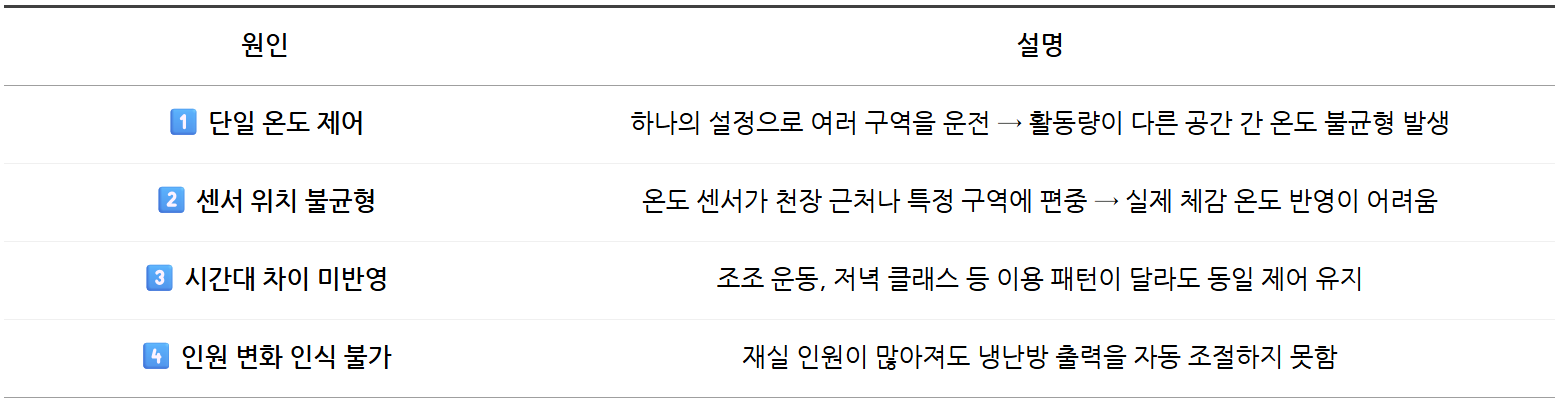
As a result, one zone ends up overcooled or overheated while another grows increasingly uncomfortable,
and this goes beyond mere discomfort — it leads to wasted energy and higher operating costs.
AI HVAC Control: ‘Zone-by-Zone Comfort Management’
An AI-based HVAC control system uses zone-level environmental data and occupancy density to
automatically adjust heating and cooling output.
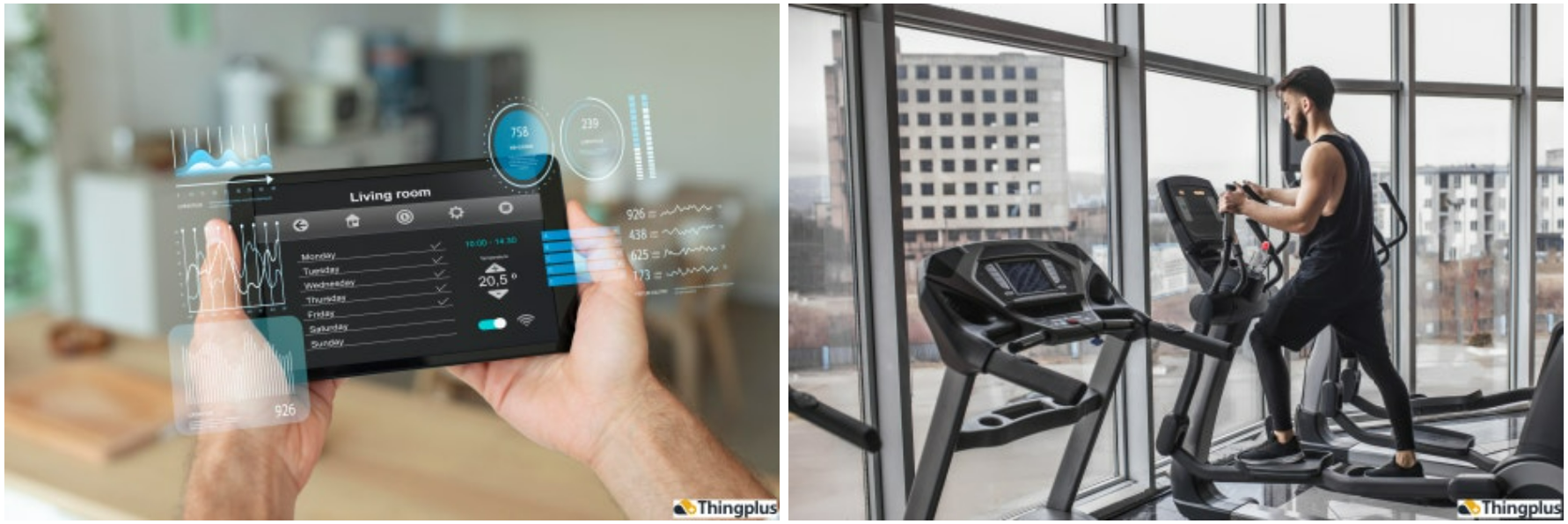
📍 Examples of Zone-by-Zone Control
– Workout zone: indoor temperature + occupancy density → cooling automatically intensified
– Rest zone: switches to power-saving mode when no occupancy is detected
– Instructor areas: schedule-based control minimizes unnecessary HVAC use
The AI goes far beyond simply switching power on and off —
it learns temperature trends, time-of-day patterns, and occupancy changes to automatically design a control curve for each zone.
In short: “Cool while you work out, warm while you rest.”
Even within the same space, it is a system that controls activity-centered zones and rest-centered zones separately.
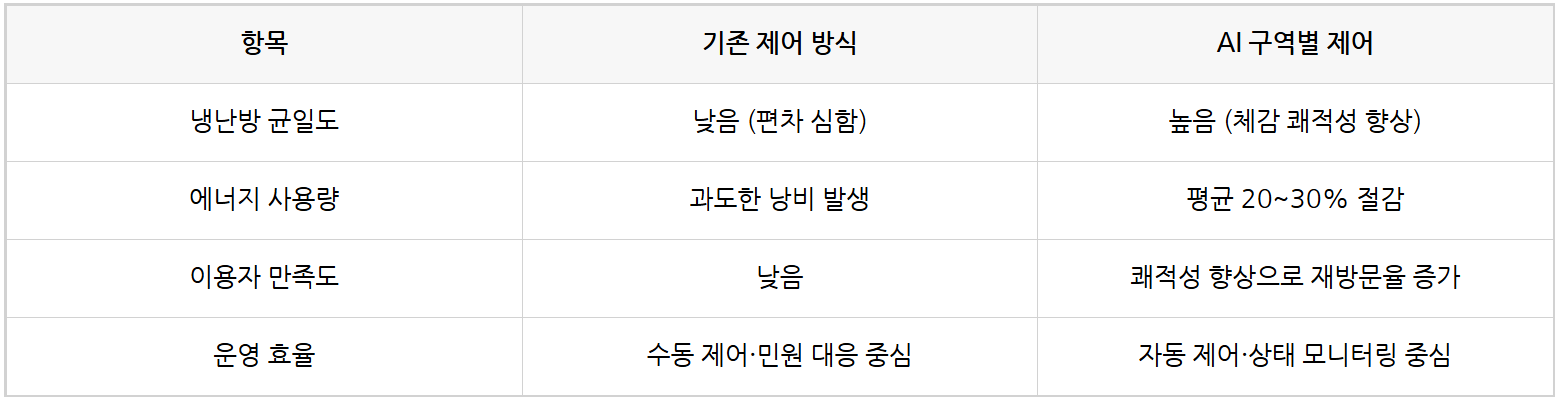
Benefits: Energy Savings + Higher Member Satisfaction + Better Operational Efficiency
Frequently Asked Questions
Q. Can workout zones and rest areas be set to different temperatures?
A. Yes. The AI HVAC system collects temperature data for each zone
and automatically keeps high-activity zones cool and rest areas warm.
Q. Do we need to replace our existing equipment?
A. In most cases, you only need to add sensors and a control module to your existing HVAC units.
In other words, AI-based zone control is possible without replacing your equipment.
✅ 2025 Special Event
We are selecting 10 companies to receive a free PoC (Proof of Concept) service.
Run a quick self-assessment to see whether your site is a fit, then apply — applications are reviewed on a priority basis.