“It’s the same store — why is the window area so much warmer than the back?”

If you run a café, you have probably experienced this at least once.
“Customers at the window seats keep saying it’s too hot.”
“The inner seats are cool, but the outer ones are lukewarm.”
In many stores, zone-to-zone HVAC imbalance leads not only to discomfort but also to unnecessary energy waste.
In summer, heat pours in through the glass walls by the windows, and in winter the outside chill comes straight through — so one side ends up overcooled while the other is overheated, again and again.
The Problem: Trying to Fit the Whole Space to One Temperature
Most cafés and restaurants use centrally controlled HVAC systems.
Because a single remote sets the temperature for the entire space, environmental differences between zones are hard to account for.
The limits of this approach are clear.
– Window-seat customers say it’s hot, so cooling power goes ↑
– As a result, the back of the store gets ‘overcooled’
– When customers leave, the whole-store temperature gets adjusted all over again
The result is a vicious cycle where fixing one zone makes another uncomfortable.
Along the way, power consumption keeps climbing,
while HVAC efficiency keeps falling.
Enter AI-Based ‘Zone-by-Zone HVAC Control’
The reason cafés and restaurants struggle to keep a comfortable temperature is that temperature conditions vary greatly from zone to zone.
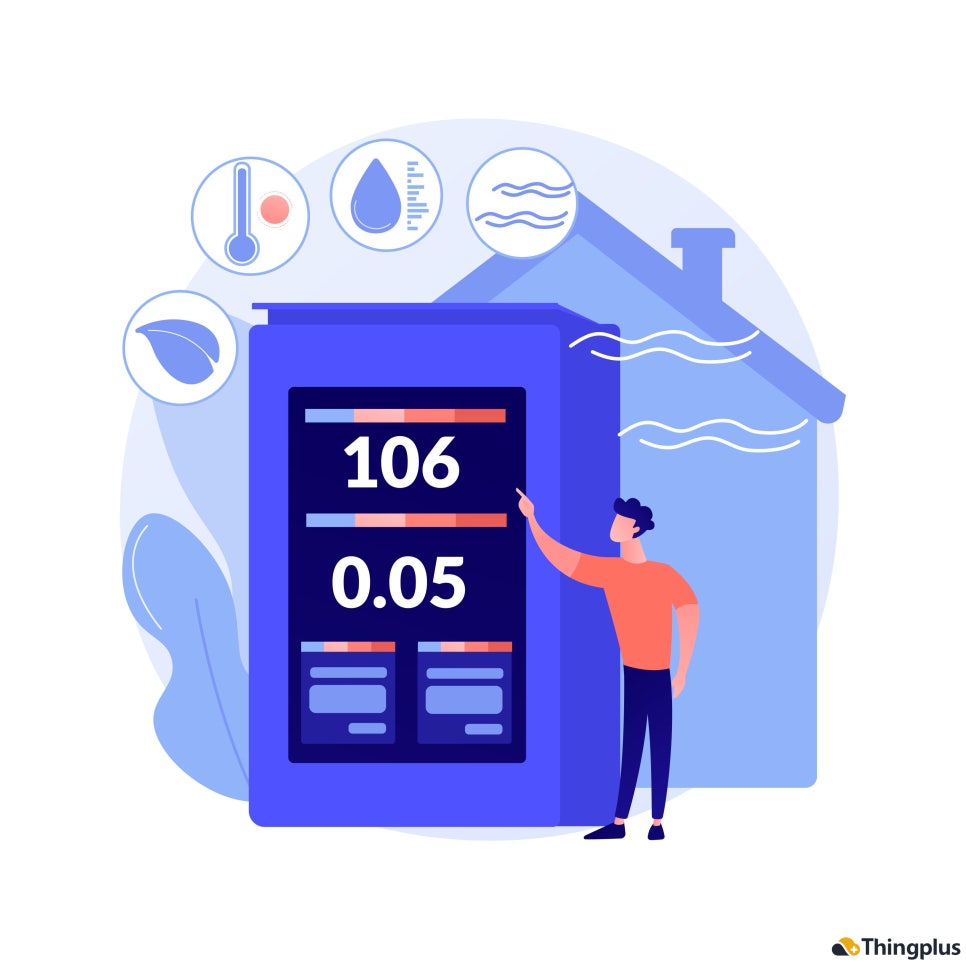
An AI-based HVAC control system analyzes indoor and outdoor temperature and humidity data and, matched to each zone’s environment — store layout, location, and more — adjusts heating and cooling independently.
For example:
– Window zone: temperature rises from incoming sunlight → cooling intensity adjusts automatically
– Kitchen zone: detects heat buildup from cooking → keeps ventilation and cooling running in tandem
– Seating zone: when no guests are present, occupancy signals trigger → switch to power-saving mode
The AI does far more than switch power on and off — it applies Predictive HVAC control that weighs temperature patterns and occupancy at the same time. By learning customer density patterns by time of day, it pre-adjusts temperatures ahead of busy hours and shifts to power-saving mode during quiet hours, achieving comfort and efficiency at once.
Cool in Summer, Warm in Winter — Season-Aware Control Included
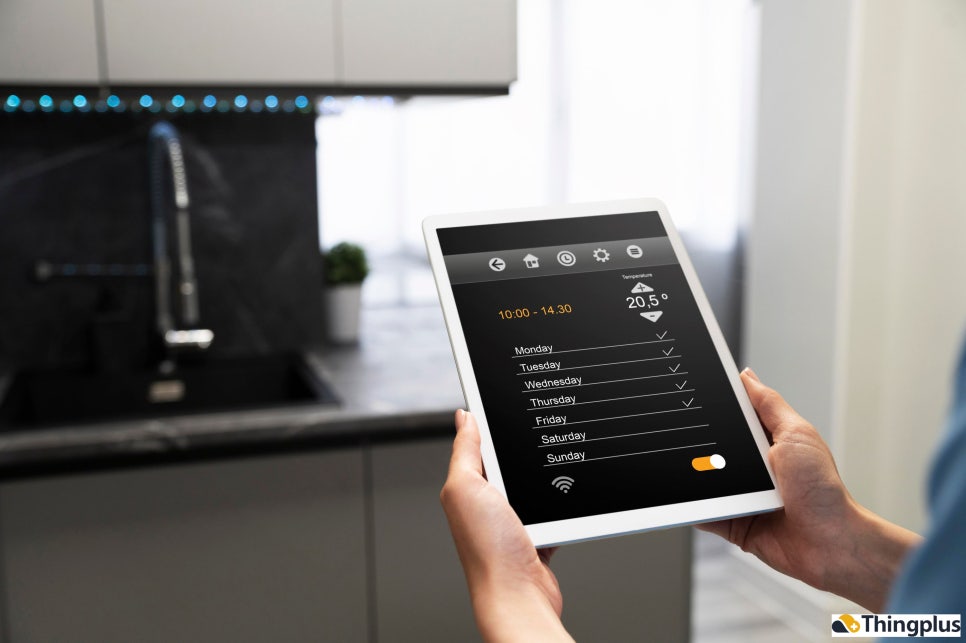
AI HVAC control is not just about cooling efficiency. Depending on the season, it also performs heating optimization automatically.
– In winter, it detects cold drafts near the windows and concentrates heating there
– When few people are inside, it narrows the heated area
– It maintains the indoor comfort index based on outdoor temperature and humidity data
In short, without anyone touching a remote, the AI keeps every zone in its own comfort band automatically.
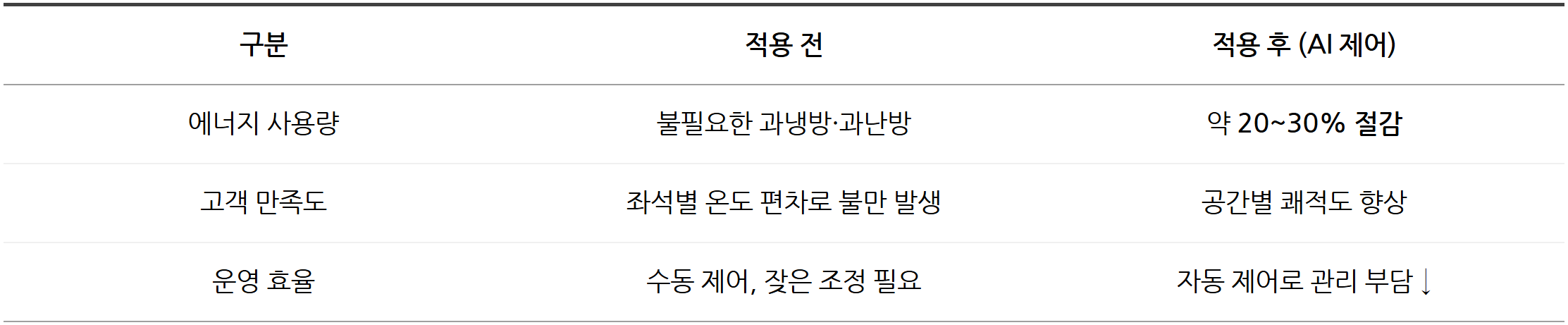
Expected Benefits: Energy Savings + Customer Satisfaction + Operational Efficiency
Applying zone-by-zone HVAC control in a café or restaurant can deliver results like these.
Conclusion: Different Zones, Different Control — AI Knows Your Space Better
The era of running an entire store at a single temperature is over.
AI HVAC control delivers “comfort centered on where your customers actually sit” — cutting unnecessary waste and raising operational efficiency.
✅ 2025 Special Event
We are selecting 10 companies to receive a free PoC (Proof of Concept) service.
Run a quick self-assessment to see whether your site is a fit, then apply — applications are reviewed on a priority basis.