This article is part of the series ‘Industry-Tailored HVAC Management: Beyond Savings.’
Part 1: ⚠️ More Than Cooling — AI HVAC Management That Detects Power Anomalies and Equipment Faults
Part 2: 🌱 Cutting Carbon with a Single HVAC Unit? A Savings Solution Tied to ESG Management
Part 3: 🏭 HVAC Environments by Industry — How Much Energy-Saving Potential Is There?
Part 4: ✅ ESG HVAC Assessment Checklist: Gauge Your Site’s ESG Contribution
Part 5: 🏢 AI HVAC Control Readiness Checklist: Is Your Site a Fit?
Part 6: 🌬️ Manufacturing vs. Franchise — How Cooling Strategies Differ
Part 7: 🎁 AI HVAC Savings — Grab Your Free PoC Trial Now!
University dormitories, corporate training centers, military barracks — for these communal living spaces, HVAC cost is one of the biggest management issues.With residents present 24 hours a day and shared and private spaces intermixed, simple temperature control alone rarely delivers energy savings.
So what approach does a dormitory environment actually need?
The Three Big Challenges of Dormitory HVAC
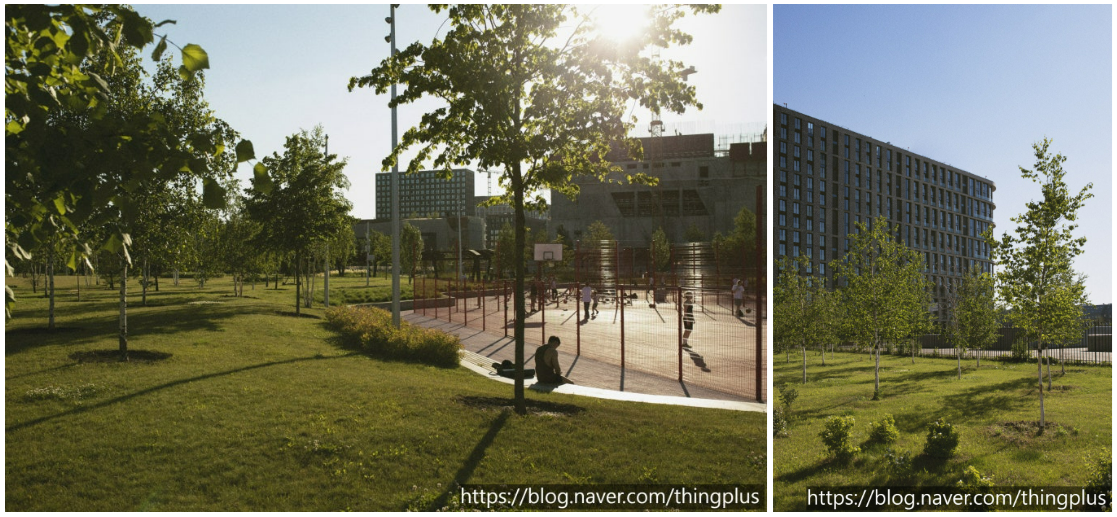
Irregular usage patterns
– Whole floors get heated or cooled even when some rooms sit empty
– Occupancy swings with exam periods, vacations, and the seasons
The nature of communal living
– Limited equipment must cover many people at once
– Overcooling and overheating generate complaints
The limits of manual management
– Power use keeps rising, but real-time monitoring and control are impossible
– The electricity bill burden grows every year
Energy Saving Scenarios That Apply Here
The Energy Saving service uses AI to analyze indoor/outdoor temperature and humidity, occupancy, and power usage patterns, then automatically executes optimal HVAC control.
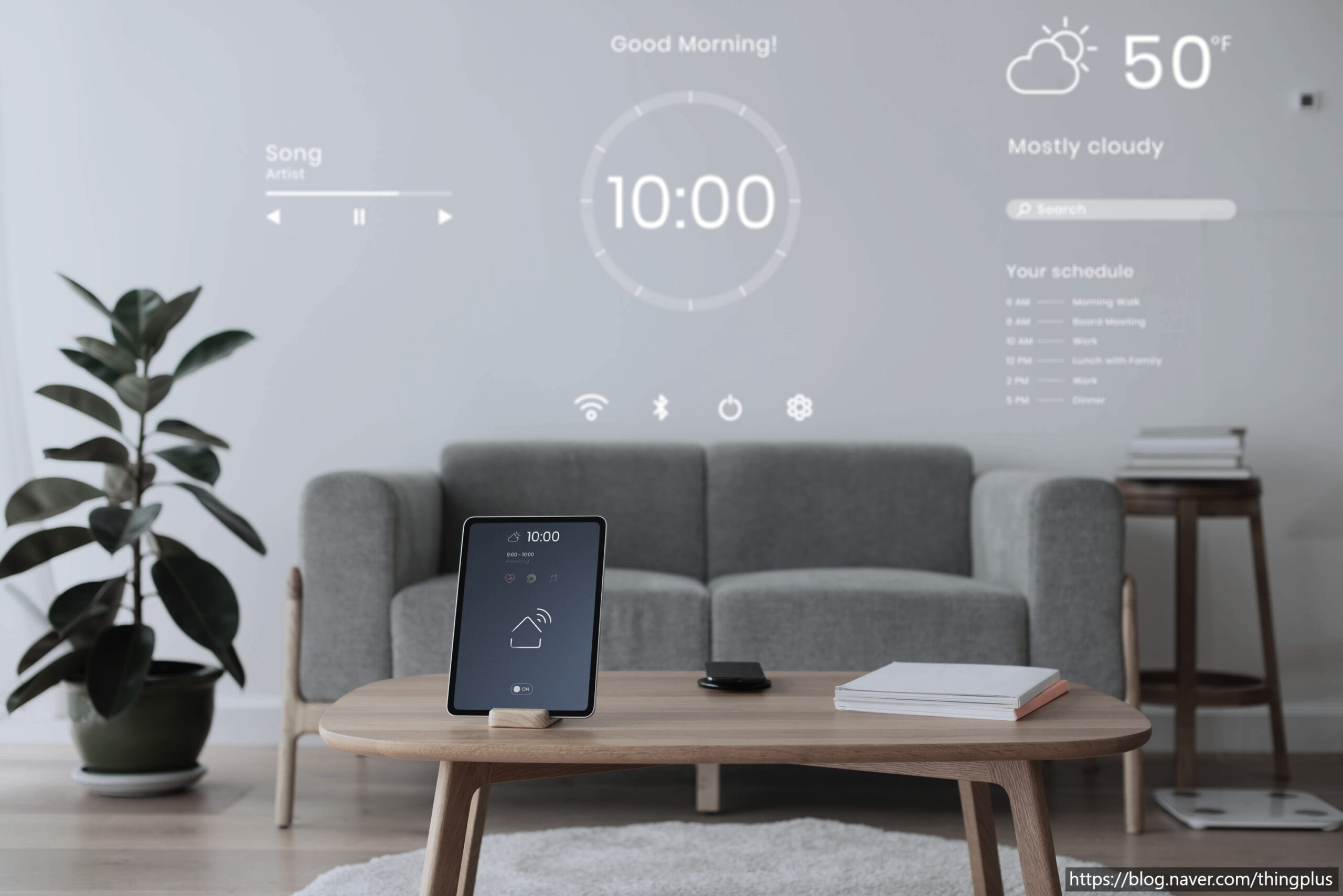
Occupancy-based control
– Integrates with sensors or the booking system → unused rooms switch to power-saving automatically
– Shared lounges and study rooms get an automatic boost when crowds gather
Independent zone control
– HVAC operates separately by floor or zone
– Reduces usage variance within the same building for more efficient management
AI-optimized operation
– Integrates outdoor temperature, indoor temperature/humidity, and power usage data
– Cuts overcooling and maintains comfort on minimal power
Expected Results

– Lower electricity bills: minimizing unnecessary HVAC can save 20~30% annually
– Higher resident satisfaction: uniform comfort, fewer complaints
– ESG and carbon-reduction contribution: the more people share the space, the greater the impact
How Good a Fit Is Your Dormitory?
The Energy Saving service is not a vague promise that “savings are possible” — it can predict actual results based on your site’s conditions.
Use the checklist below to quickly see how well your dormitory, barracks, or training center fits.
✅ Checklist: Self-Assess Your Suitability
□ Vacant rooms occur frequently in the dormitory
□ Usage of shared spaces (lounge, study rooms) varies sharply by time of day
□ Electricity bills rise every year, straining the budget
□ HVAC imbalance (overcooling, overheating) triggers frequent resident complaints
□ You need energy savings and ESG metrics management at the same time
If 3 or more apply → Energy Saving is likely to deliver strong results for you.
Conclusion
Dormitory environments are prone to energy waste because usage patterns are irregular and management efficiency is low.
Energy Saving solves this with occupancy-based automatic control + zone control + AI optimization, delivering lower electricity bills, comfort, and ESG contribution all at once.
✅ 2025 Special Event
We are selecting 10 companies to receive a free PoC (Proof of Concept) service.
Run a quick self-assessment to see whether your site is a fit, then apply — applications are reviewed on a priority basis.