This is Part 7 of the series ‘Cooling Cost Savings Strategies You Can Start Today.’
Part 1: 🌡️ Does the Bill Balloon the More You Run the AC? How to Save with HVAC AI
Part 2: 💨 Smart Cooling Even for Franchise Stores: The Savings Potential of IR Control
Part 3: 🧍♂️ Factory Cooling That Switches Itself On and Off: The Evolution of Occupancy Detection
Part 4: 🎛️ Remote or Wired? A Comparison of AC Control Methods
Part 5: 💰 Cut Cooling Costs with Government Support! Energy Efficiency Strategies for Small Businesses and Factories
Part 6: ⚠️ More Than Cooling — AI HVAC Management That Detects Power Anomalies and Equipment Faults
How HVAC Management Affects ESG
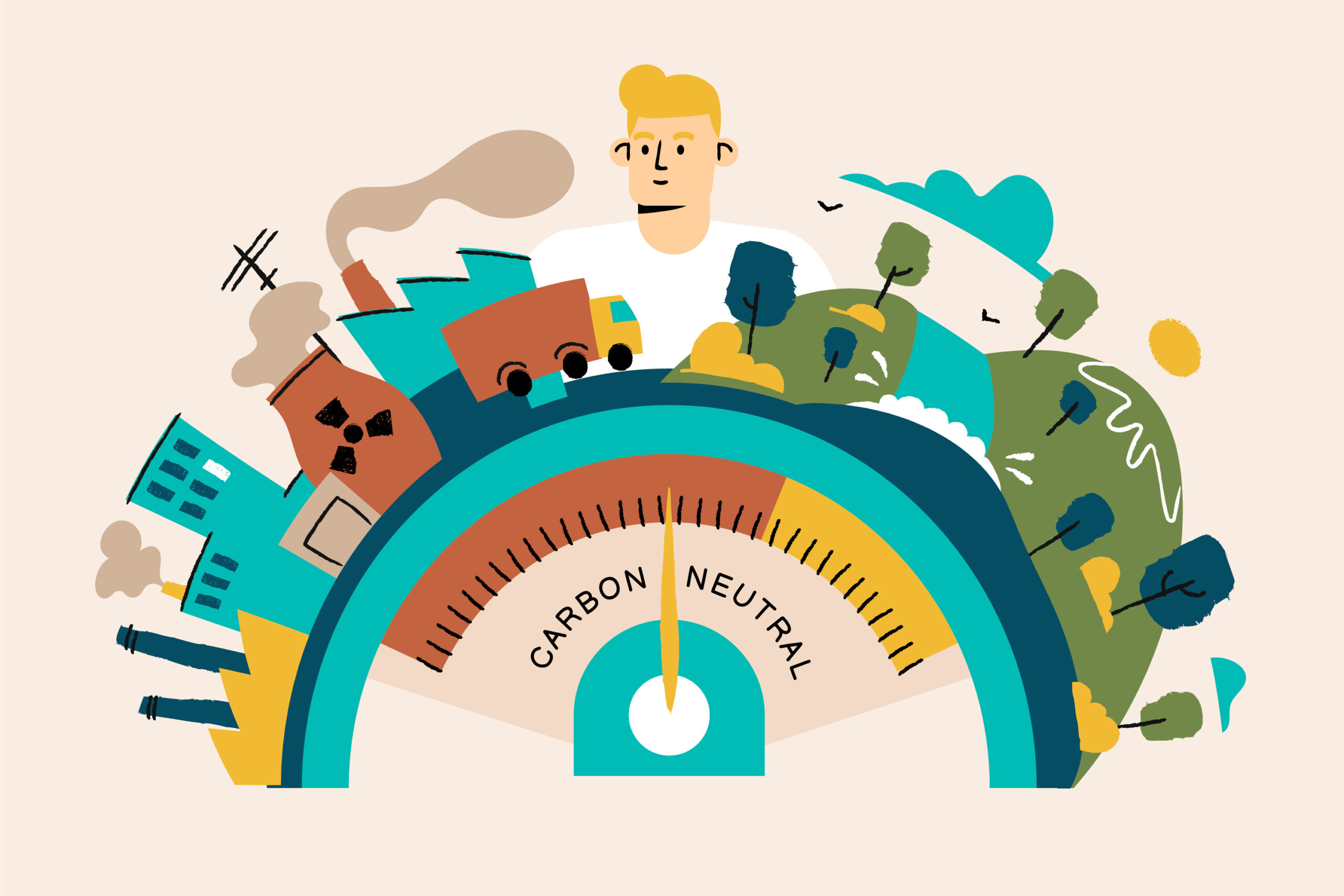
In ESG evaluation frameworks at home and abroad, energy consumption and greenhouse gas emissions are the most fundamental — and most influential — line items.
In buildings and factories especially, HVAC accounts for 30~40% of the power load.
So improving HVAC management alone can significantly lift your ESG score and sustainability report metrics.
The Formula That Turns Savings into Reductions

– Cooling cost savings rate: 20~30% on average with AI-based control
– Converted power savings: 100 million KRW saved = roughly 300,000 kWh (assuming 330 KRW/kWh)
– Carbon reduction effect: 1 kWh saved = 0.466 kg CO₂ reduced (Korea emission factor)
📌 A Real-World Example
– Manufacturing plant: annual electricity bill of 500 million KRW → HVAC share 40% (200 million KRW)
– Applying a 25% savings rate → 50 million KRW saved = 150,000 kWh
– Annual CO₂ reduction of roughly 70 tons
Data Ready for Your ESG Report
The Energy Saving service automatically packages savings data for use in ESG reporting.
-
Power saved (kWh)
-
Converted carbon reduction (tCO₂eq)
-
Savings rate by unit and zone (%)
-
Cost savings (KRW)
These figures tie directly into Scope 2 indirect-emissions management in ESG reports,
and can also be used for external certifications (e.g., Ministry of Environment GHG reduction records, CDP, RE100).
ESG Impact Cases by Industry
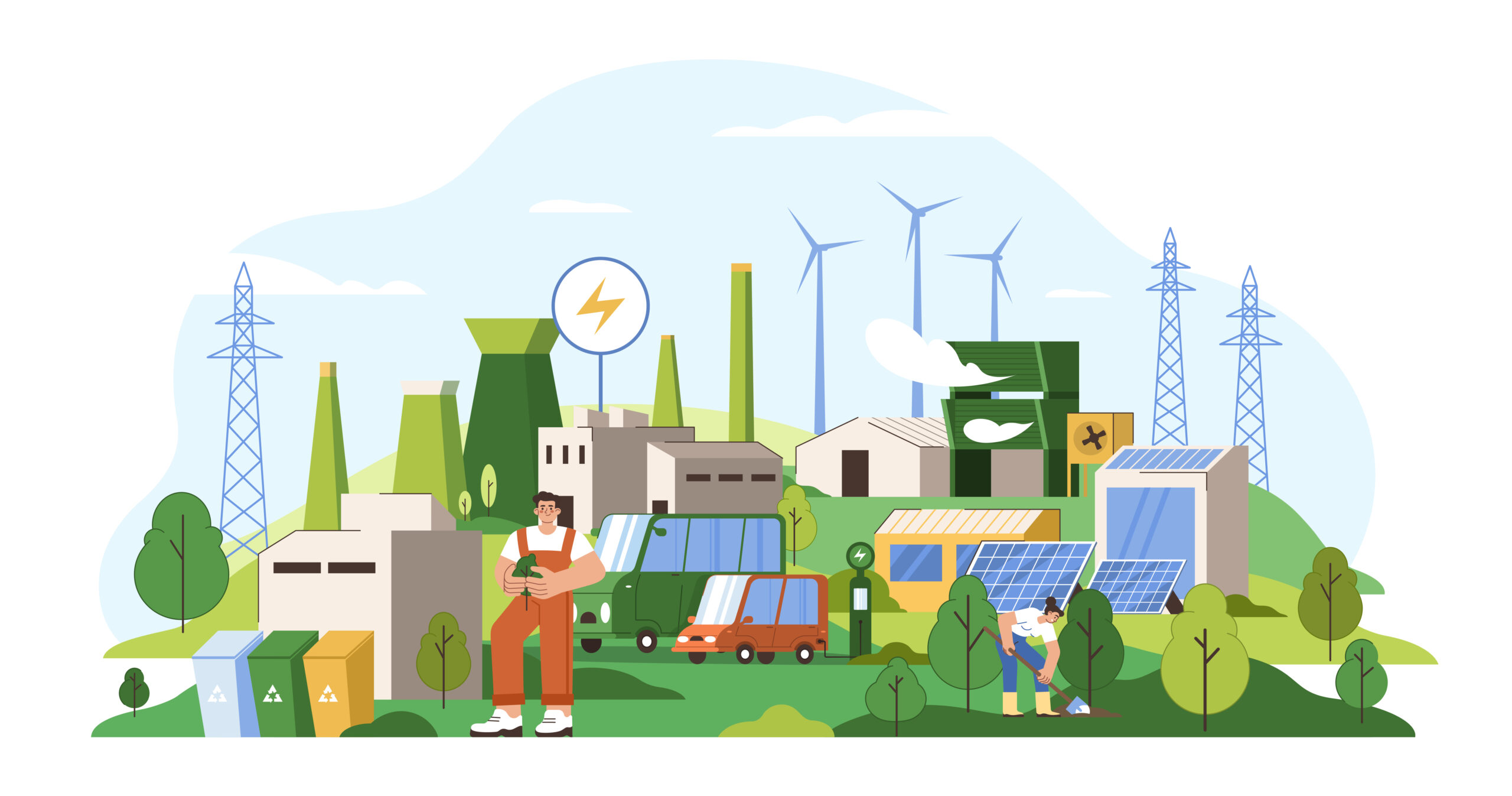
– Electronics parts maker: annual HVAC costs of 120 million KRW → 30 million KRW saved, 140 tons of CO₂ cut → reflected in carbon-neutrality performance reporting
– Logistics center: HVAC is 30% of 10 million kWh (3 million kWh) → 20% savings = 600,000 kWh saved → 280 tons cut per year
– Franchise headquarters: aggregated across 100 branches → 200,000 KRW saved per branch monthly = 2.4 billion KRW saved annually, 1,100 tons of CO₂ cut in total
From Savings to ESG Strategy
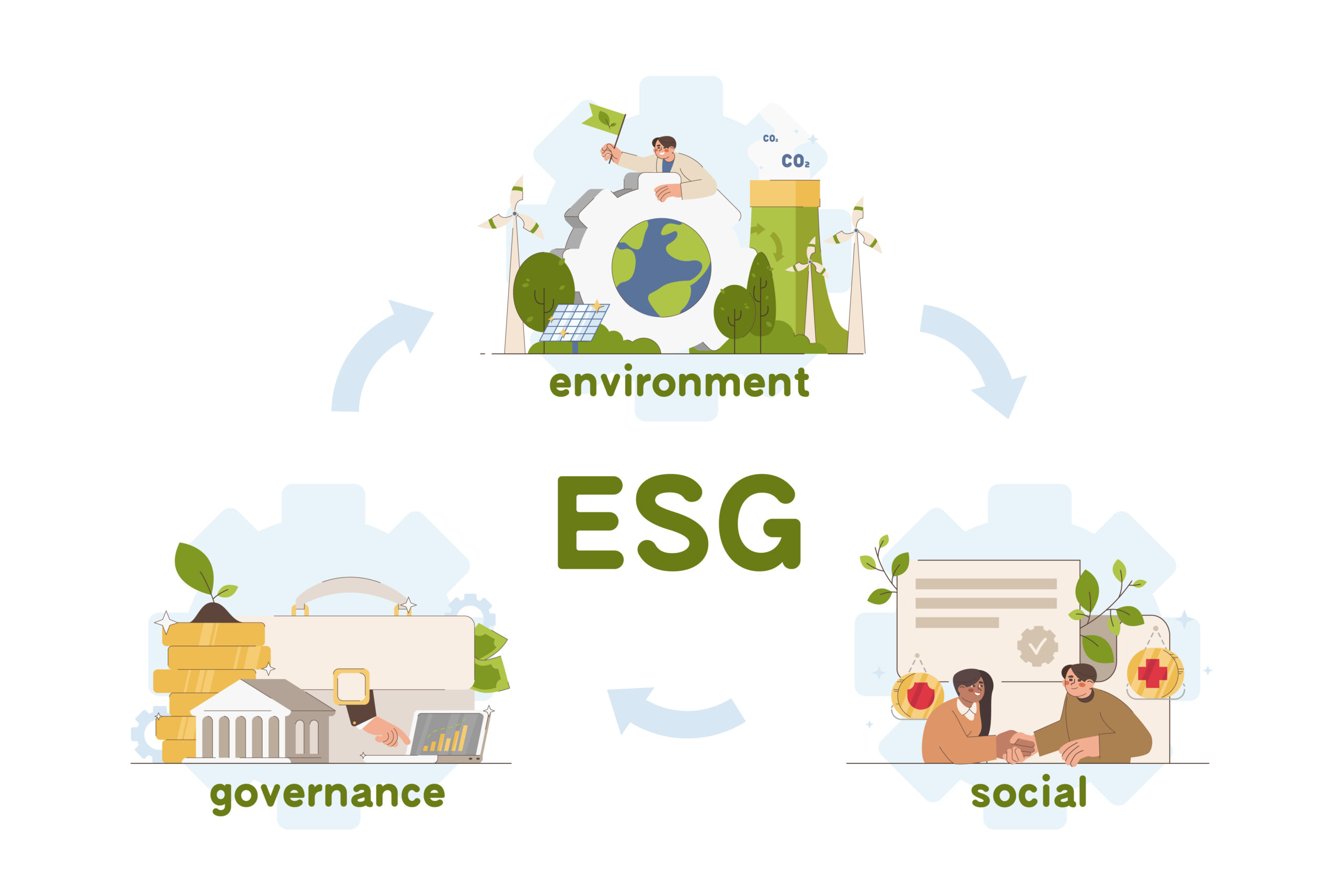
The digital transformation of HVAC management is not mere cost cutting. Power savings → carbon reduction → better ESG metrics — the numerical cause-and-effect chain is clear.
That gives the AI-based Energy Saving service the following significance.
Strategic value for the company
– Energy KPIs achieved
– ESG report figures secured
– Carbon-neutrality policy readiness
Value for practitioners
– When drafting ESG reports, hard numbers to back them up
– For investors and partners, transparent sustainability data
– For carbon-neutrality roadmaps, short-term wins that count
✅ Recommended Reading
More Than Cooling — AI HVAC Management That Detects Power Anomalies and Equipment Faults