Cutting energy costs is no longer a choice — it is a survival strategy
This strategy series builds on 「Top 5 Smart Factory Trends for the Second Half of 2025」.
Electricity Rate Hikes Are Squeezing Manufacturers
In the second half of 2025, industrial electricity rate increases are a reality.
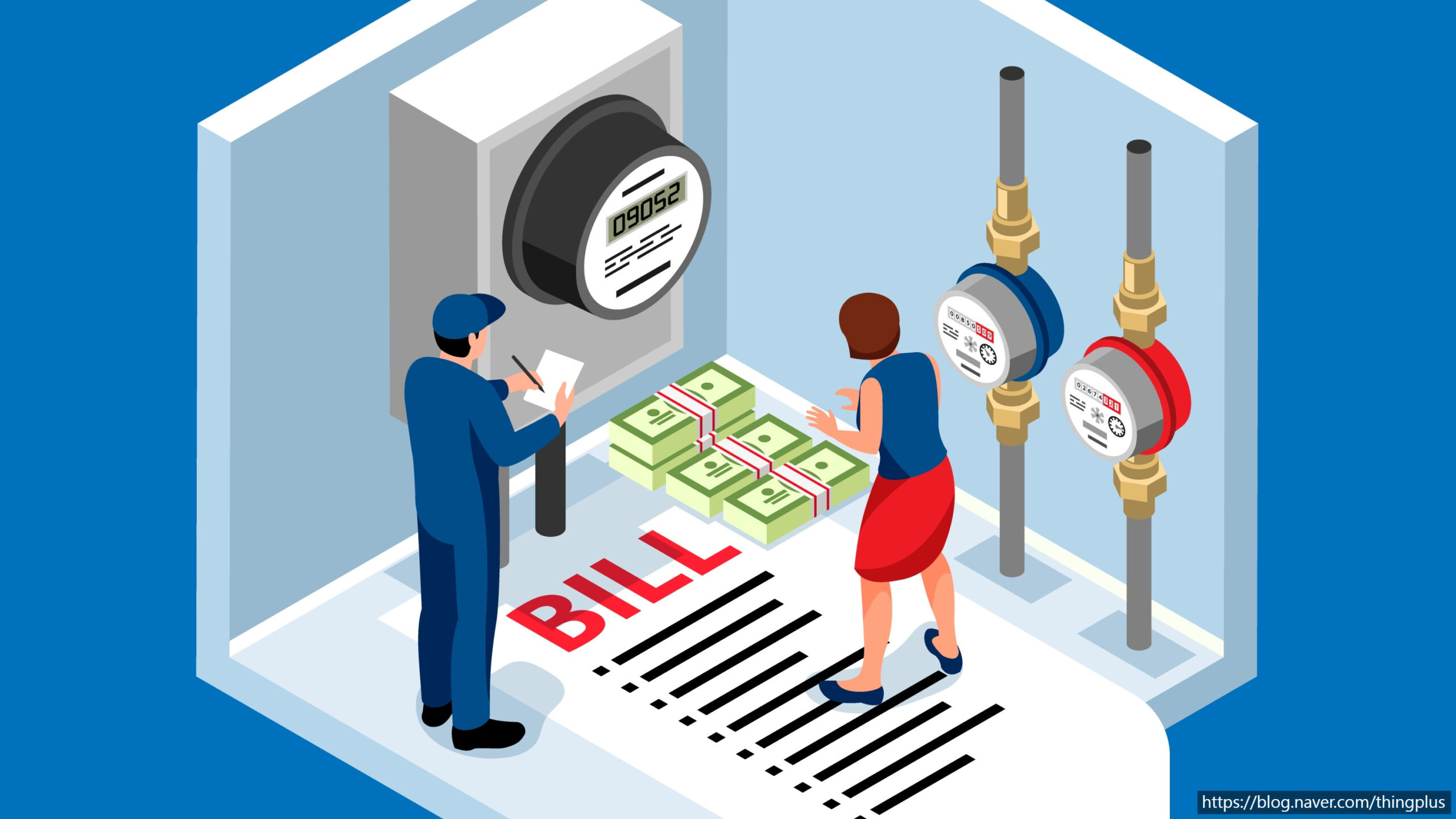
📰 “Industrial electricity rates too high… manufacturers weigh leaving KEPCO” — ZDNet Korea
📰 “KCCI: industrial electricity rate hikes risk undermining corporate competitiveness” — ZDNet Korea
📰 “Electricity costs soaring wildly… even the No. 2 rebar maker shuts down for a month” — Dong-A Ilbo editorial
Rising power prices at home and abroad, tightening carbon neutrality policies, and unstable energy supply are delivering a heavy shock to manufacturing’s energy cost structure.
The higher a plant’s equipment utilization, the more energy costs become a ‘variable risk’ rather than a ‘fixed cost.’
What is needed now is not simple frugality but an intelligent energy management strategy — in other words, adopting a FEMS (Factory Energy Management System).
What Is FEMS?
FEMS collects all energy-related data across the factory in real time and analyzes it to automatically diagnose sources of energy waste and recommend optimal operating strategies.
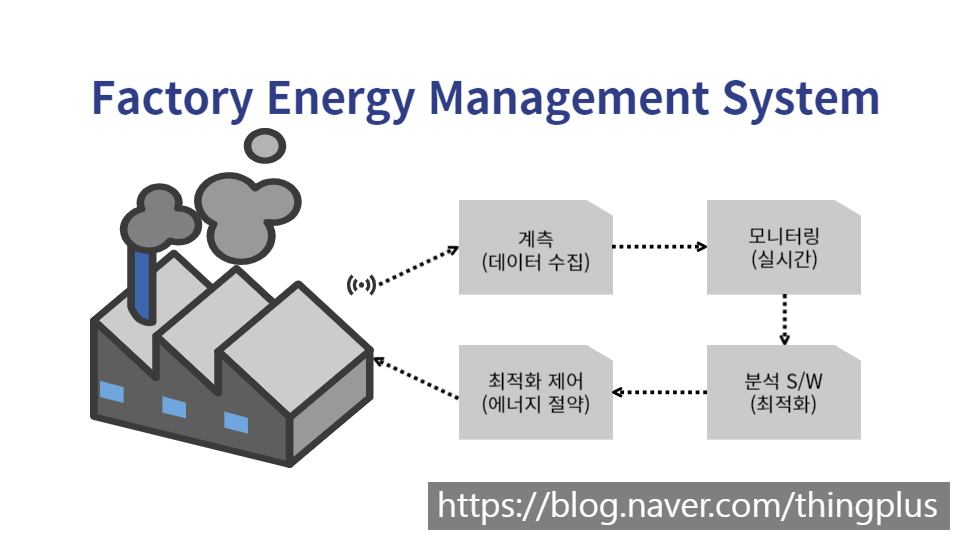
✅ FEMS is not a mere ‘metering’ system
– Real-time energy consumption monitoring
– Power usage analysis by equipment and process
– Peak power control and automatic alerts
– KPI-based energy performance reports
– Automatic carbon emissions calculation
Think of it as a ‘control tower’ that gives you a bird’s-eye view of your factory’s energy flows.
Can FEMS Really Cut Electricity Bills?
Through peak avoidance, standby power cutoff, and equipment operation optimization, monthly energy cost savings of 5~15% have been reported. The higher an industry’s energy unit costs, the greater the impact.

● Case 1: Avoiding millions of KRW in charges through peak power control
A mid-sized manufacturer used FEMS to discover that its power peaks clustered in specific time slots each month,
and by changing equipment schedules and adjusting parallel operation, it avoided those peaks and realized more than KRW 30 million in annual savings.
● Case 2: Eliminating waste by detecting idle power
FEMS detected that standby power from idle weekend equipment was being consumed around the clock,
and by configuring standby cutoff logic, the plant cut its electricity bill by 7~10% per month.
How Do the Savings Happen? – The 3-Stage FEMS Strategy
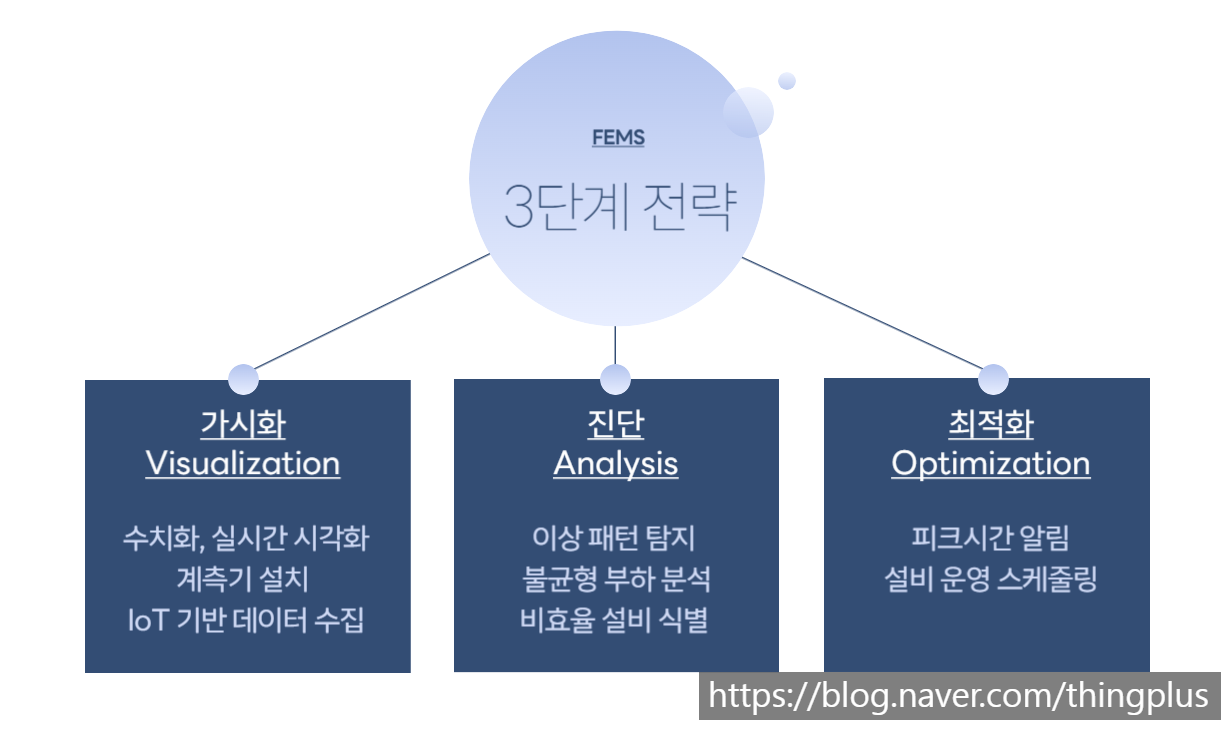
① Visualization
– Quantify where, how, and how much energy is used & visualize it in real time
– The first step: install power meters on each unit and collect data via IoT
② Analysis
– Detect abnormal patterns, analyze load imbalances, identify inefficient equipment
– Respond proactively with AI-based anomaly detection and peak prediction
③ Optimization
– Automatic peak-hour alerts and automated equipment scheduling
– Advanced strategies such as demand response (DR) and ESS integration can be added
Can Small and Mid-Sized Manufacturers Adopt It Too?
💡 Yes, they can
With cloud-based SaaS FEMS now widely available, companies can use the system on a monthly subscription without a heavy upfront investment.
In addition, central and local governments offer subsidies and tax credits for investments in energy efficiency equipment.
Examples: the Ministry of Trade, Industry and Energy’s smart factory advancement program, energy use rationalization funding, and more
Start Here: The FEMS Adoption Checklist
✔️ Have you identified your factory’s main sources of power waste?
✔️ Can you meter power consumption at the process and equipment level?
✔️ Does your system architecture support real-time data collection and analysis?
✔️ Have you analyzed your rate schedule, peak windows, and usage patterns?
✔️ Do you have a plan to leverage government programs or subsidies?
Conclusion: It Is Time to Fight with an Energy Strategy, Not the Electricity Bill
You cannot control electricity rates, but you can control how you use electricity.
Beyond cost savings, FEMS becomes a core strategy for raising a factory’s operational efficiency and sustainability.
That is why energy management should be the first item on your smart factory agenda for the second half of 2025.
✅ Recommended Reading