The Speed of Change, the Timing of Decisions
The second half of 2025 is a period when a technological turning point and a strategic crossroads arrive at the same time for smart factory adoption and expansion.
From simple automation to AI-centered autonomous operations, the internalization of energy management for carbon neutrality, and the broadening of DX adoption among small and mid-sized manufacturers —
the core question is no longer whether to adopt technology, but when, what, and how to apply it.
Below, we interpret each trend in depth and suggest the direction companies should prepare for.
1. The Rise of Generative AI + Autonomous Operation Systems
The “factory with minimal human intervention” becomes reality
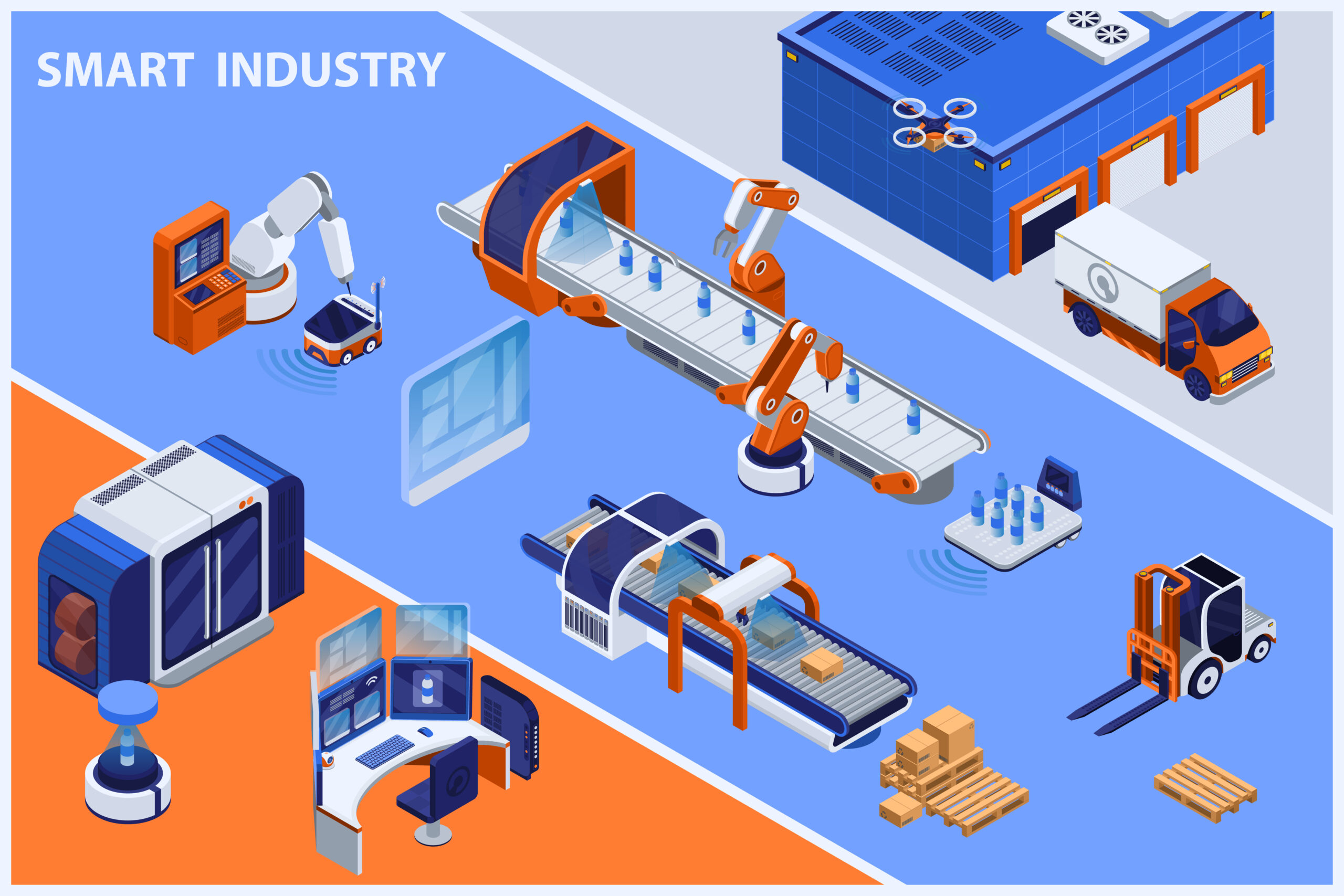
MES collects, cleanses, and visualizes all data generated on the manufacturing floor in real time, making the flow of production visible. To do this, MES focuses its data management on four core elements:
Key Points
– LLM-based generative AI applied to process design, quality issue analysis, and simulation
– A shift from conventional predictive maintenance → condition-based autonomous maintenance (Self-Maintenance)
– A trend where AI judgment becomes **the “decision-maker” rather than an “assistant”**
Implications for Companies
– Going beyond basic machine-learning anomaly detection, securing decision-support capabilities is critical
– AI coverage needs to expand from ‘a single machine’ to the entire process
– More important than adopting AI is “securing high-quality data the AI can learn from”
✔️ Recommended Actions
– Start by upgrading the processes for tagging and cleansing shop-floor data
– Verify that your smart factory platform architecture can integrate generative AI APIs
2. Carbon Neutrality + Energy Optimization = A Must-Have Capability
The smart factory is now ‘green equipment’

Key Points
– Demand is surging for energy and carbon data collection systems to support ESG management and RE100
– Global companies are now formally requiring ‘Scope 3 carbon emissions’ data from suppliers
– Digital technology now enables root-cause analysis of carbon emissions and even reduction simulations
Implications for Companies
– You need a single pipeline: energy consumption → carbon conversion → real-time dashboards → automated reporting
– Smart factory platforms are trending toward built-in FEMS capabilities
✔️ Recommended Actions
– Prioritize solutions/vendors capable of carbon emission simulation
– Consider platforms with automatic greenhouse gas tallying and report generation
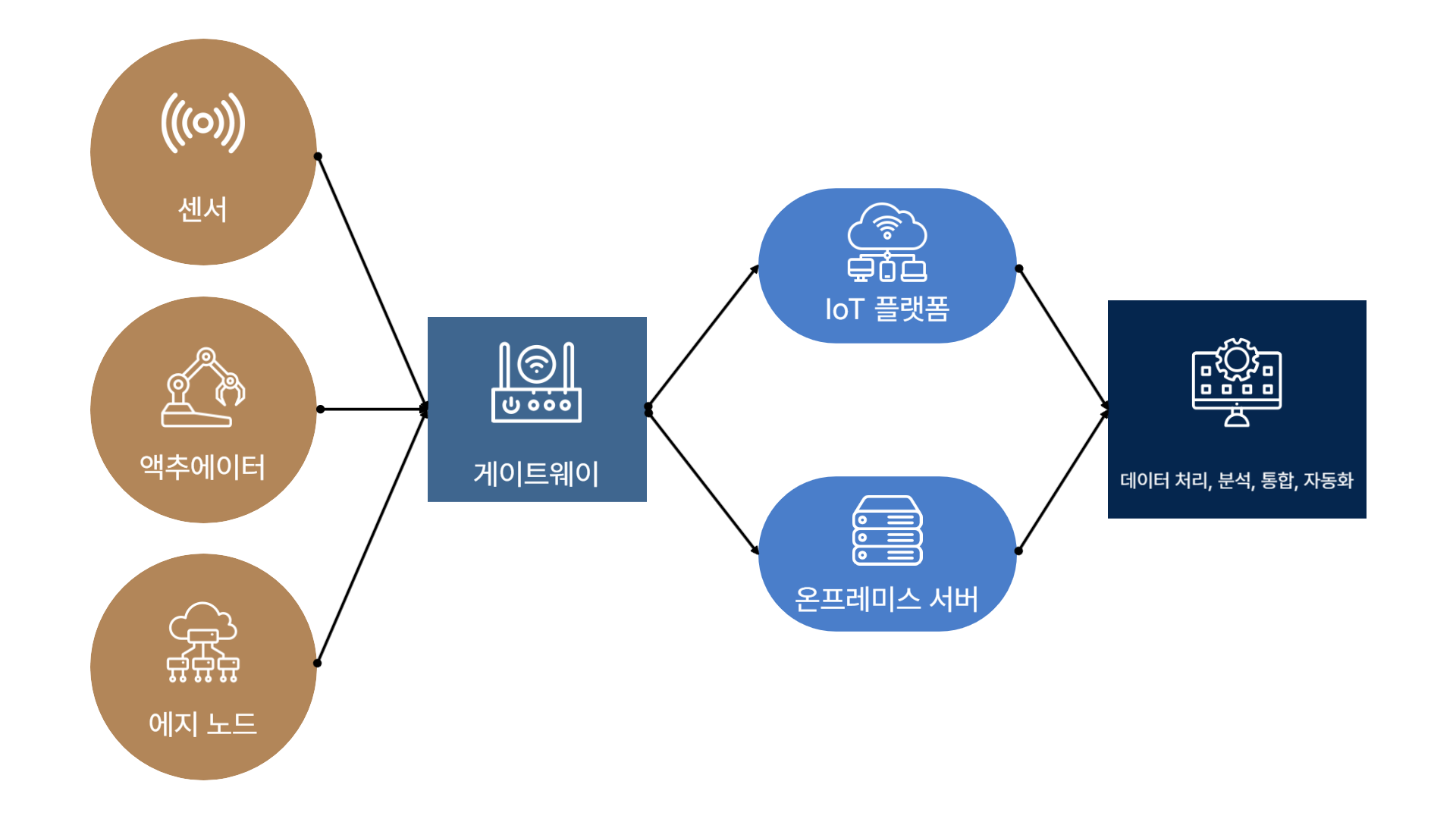
3. OT+IT Integrated Platforms: “The End of the Data Fragmentation Era”
Unify disconnected systems into a single data hub
Key Points
– Poor integration among MES, SCADA, ERP, IoT, and AI solutions → a leading cause of DX failure
– IT/OT convergence platforms: unify disparate data structures to secure real-time visibility
– Evolving into a Decision Hub that integrates productivity, quality, energy, and safety data
Implications for Companies
– Diagnosing the interoperability/scalability of your current systems is essential
– More than short-term implementation, **“designing the foundational architecture”** is the key to DX success
✔️ Recommended Actions
– Build a data integration roadmap anchored on a unified platform
– Prioritize solutions with API-based integration and cloud scalability
4. SME-Style DX Strategies Go Mainstream
“Compete on the size of your data, not the size of your factory”

Key Points
– SaaS smart factories are spreading as monthly subscriptions with no heavy upfront investment
– You can start with standardized, template-based process and equipment monitoring
– Government and municipal DX programs tied to subsidies are gaining momentum
Implications for Companies
– Starting with the smallest viable deployment and expanding gradually is the realistic approach
– Consider cloud-based as-a-service solutions that can be adopted without in-house specialists
✔️ Recommended Actions
– Build a vendor shortlist based on industry cases similar to your processes
– Review eligibility for government support programs
5. Industrial Security and Data Sovereignty
The more connected the factory, the more exposed it is — security becomes mandatory

Key Points
– Rising cases of OT environment hacking, ransomware, and remote equipment control threats
– Data processing location and sovereignty rules are tightening, led by the EU and Japan
– Need for local data center operations and compliance with privacy laws
Implications for Companies
– Security must be designed as part of the platform architecture, not a feature
– For global expansion, verify the ability to comply with data transfer and storage regulations
✔️ Recommended Actions
– Check for security-certified SaaS solutions and cloud region coverage
– Verify data log tracing, encryption, and access control capabilities
How Will You Match the Pace of DX in the Second Half of 2025?
The second half of 2025 is when the smart factory transforms from a “feature” into “strategic infrastructure.”
It is time to manage beyond the scope of automation — integrating production, quality, energy, ESG, and security.
Technology itself must not be the goal.
Real competitiveness rests on an organization that can operate smartly and execute strategically.