Motor Diagnostic Equipment Guide: Essential Tools and Selection Criteria
On industrial sites, motors are core equipment that determines productivity and efficiency. Inspecting and maintaining motors in a timely manner plays an important role in extending equipment life and preventing production stoppages. A variety of motor diagnostic devices are used for this purpose, each specialized in diagnosing specific faults and conditions. In this article, we take a detailed look at the key diagnostic equipment and the criteria for selecting it.
1. Why Motor Diagnostics Matters
Motor performance can degrade due to electrical, mechanical, and thermal faults. If these are not detected early, they are likely to develop into long-term failures.
Key Diagnostic Targets
– Electrical faults: Insulation breakdown, voltage imbalance
– Mechanical faults: Bearing damage, shaft imbalance
– Thermal faults: Overheating, insulation degradation
2. Key Motor Diagnostic Equipment and Features
① Vibration Analyzer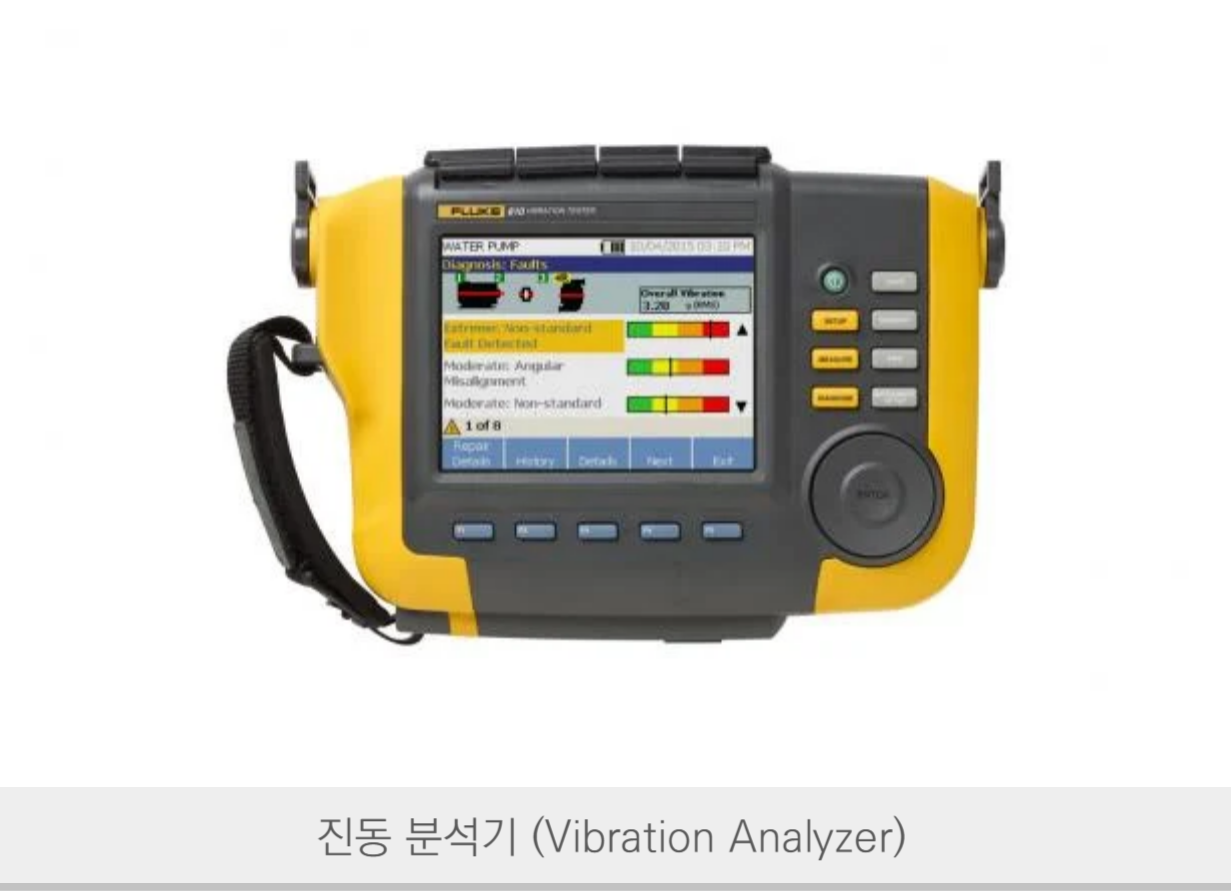
Motor vibration is one of the most direct indicators of internal faults.
– Function: Measures vibration signals with an accelerometer and generates a frequency spectrum via FFT (Fast Fourier Transform) analysis to diagnose faults
– Key diagnostic targets: Bearing damage, imbalance, shaft misalignment
– Selection criteria
Measurement range: Frequency and acceleration range
Number of channels: Simultaneous measurement channels
Analysis capabilities: FFT, auto power spectrum, autocorrelation
② Thermal Imaging Camera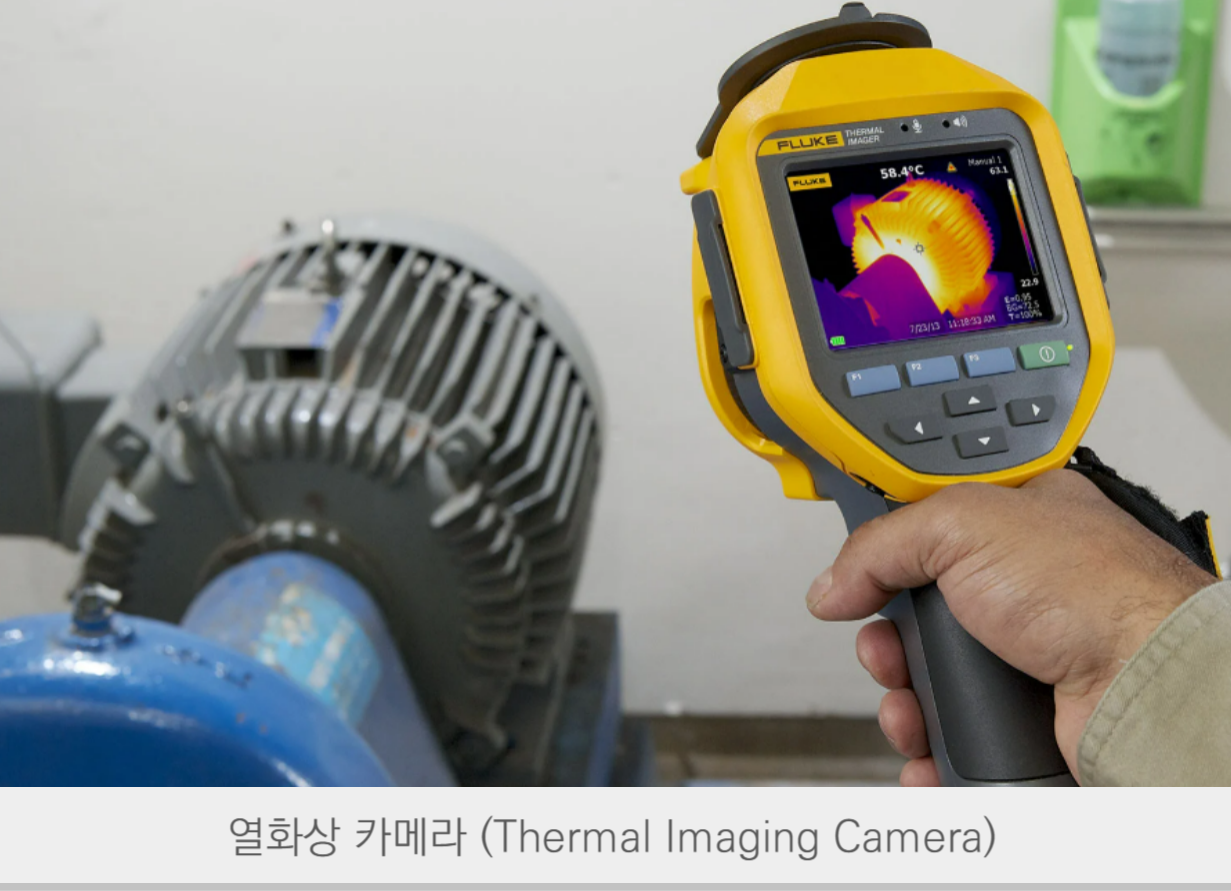
Overheating is one of the leading causes of motor failure.
– Function: Detects infrared radiation and visualizes temperature distribution to locate overheating areas
– Key diagnostic targets: Coil overheating, bearing overheating
– Selection criteria
Temperature measurement range: Choose a product suited to the expected temperature range
Resolution: High resolution is needed to distinguish temperature differences accurately
③ Insulation Tester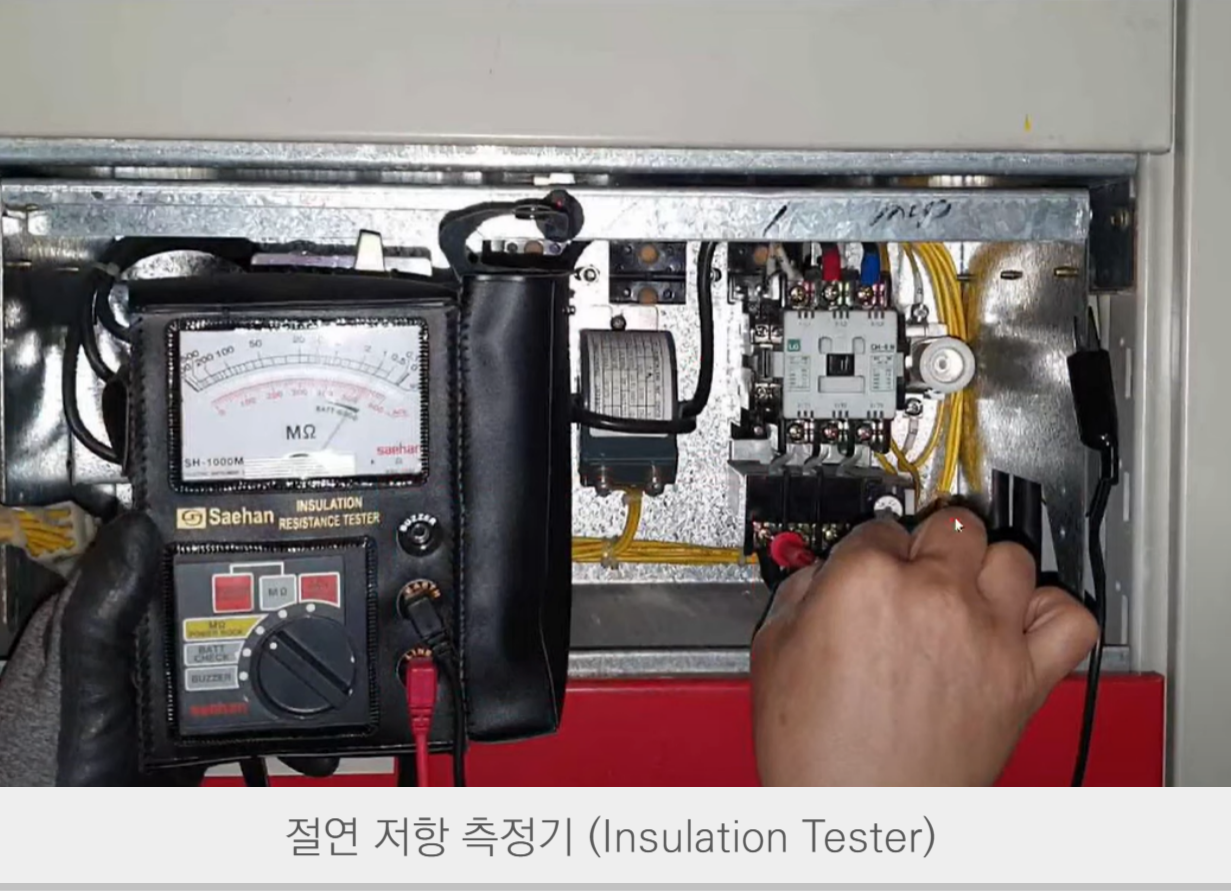
A motor’s insulation condition has a major impact on safety and performance.
– Function: Applies a set voltage to measure leakage current and calculates the insulation resistance value
– Key diagnostic targets: Winding insulation condition
– Selection criteria
Test voltage: A voltage range suited to both high- and low-voltage motors
Accuracy: Capability for high-precision measurement
④ Current Quality Analyzer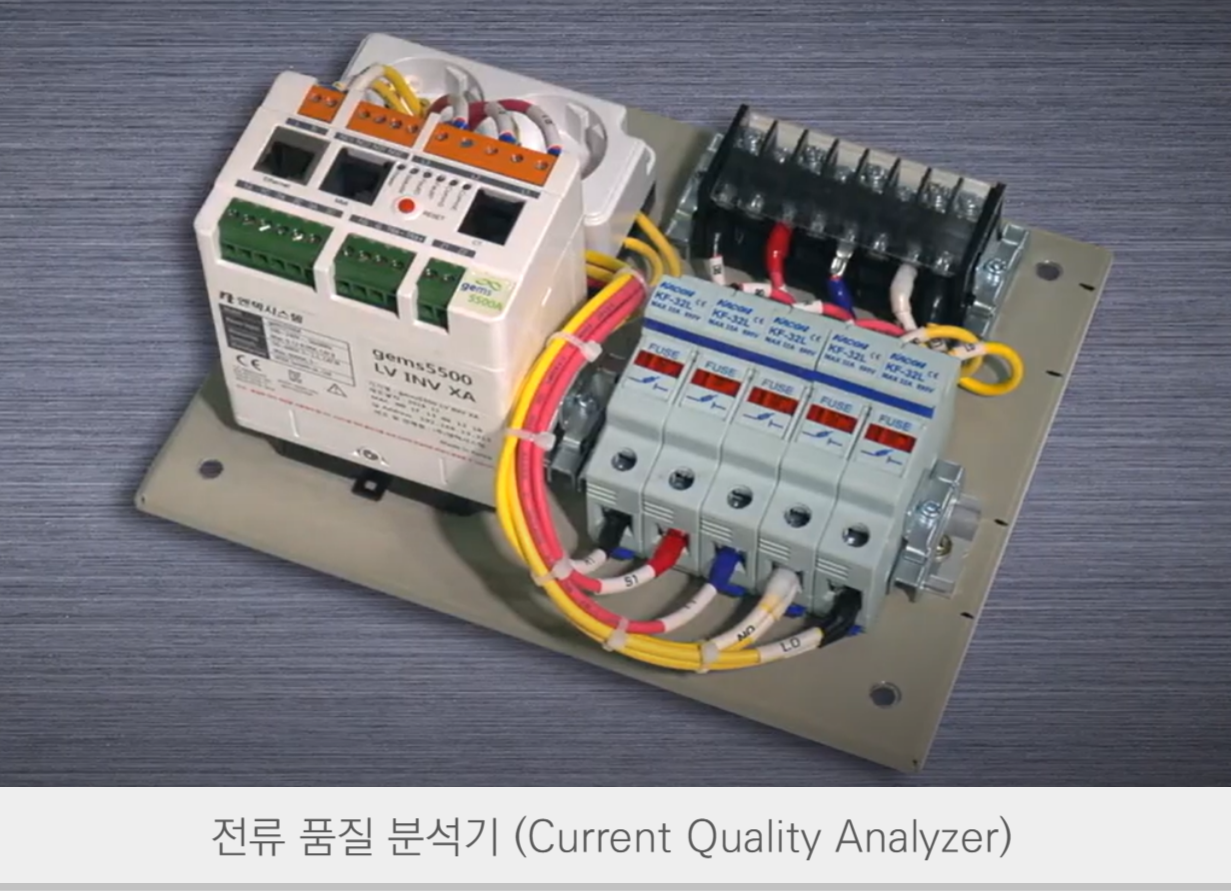
Diagnoses the motor’s condition by analyzing current waveforms.
– Function: Measures current waveforms and uses FFT analysis to examine harmonics, imbalance, and flicker issues.
– Key diagnostic targets: Harmonics, current imbalance, voltage flicker.
– Selection criteria
Measurement range: Current and frequency range
Analysis capabilities: Support for harmonic and imbalance analysis
⑤ Ultrasound Tester
Uses ultrasound to detect minute defects inside the motor.
– Function: Detects friction noise, partial discharge, and more via ultrasound
– Key diagnostic targets: Internal discharge, friction issues
⑥ Various Sensor Devices
– Vibration sensors: Precisely measure vibration at specific locations
– Temperature sensors: Monitor the temperature inside the motor in real time
3. Tips for Effective Diagnostics
① Set a regular inspection schedule: Use your equipment to check motor condition on a regular basis.
② Record and analyze data: Keep a continuous record of diagnostic results to identify patterns.
③ Train and master equipment use: Strengthen training on how to use the equipment.
Closing Thoughts
Motor diagnostics is a core process for preventing failures and maximizing equipment uptime. By selecting and using the right tools for the job — vibration analyzers, thermal imaging cameras, insulation testers, and more — you can achieve far more efficient maintenance.
✅ Recommended Reading
Key Motor Diagnostic Technologies: Vibration Analysis, Temperature Monitoring, and Current Analysis