FEMS Predictive Analytics Success Stories: Achieving Efficiency Gains and Cost Savings
For today’s manufacturers, cutting energy costs and maximizing efficiency have become top priorities. One of the most effective ways to achieve this is FEMS (Factory Energy Management System). With predictive analytics in particular, companies can identify problems in advance and optimize energy usage patterns — and a growing number are seeing major results. In this article, we look at real-world FEMS predictive analytics success stories and the concrete benefits they delivered.
What Is FEMS Predictive Analytics?
FEMS predictive analytics is a system that monitors factory energy data in real time and uses AI and machine learning to forecast future energy consumption. It enables more efficient energy management and optimizes the operating schedules and maintenance timing of key factory equipment. Adopting predictive analytics brings the following benefits:
– Cost savings: Prevents energy overconsumption and optimizes power usage to reduce costs
– Improved efficiency: Automatically controls energy use to increase process efficiency
– Environmental protection: Reduces unnecessary energy use, cutting carbon emissions
1. Samsung Electronics: Optimizing Power Consumption with FEMS
Goal: Reduce power consumption and maximize energy efficiency
Approach: Samsung Electronics adopted FEMS as part of its smart factory initiative, analyzing the plant’s power consumption patterns and building a strategy to run equipment optimally only when needed. Using predictive analytics algorithms, the company identified peak power consumption periods in advance and adjusted equipment operation efficiently during those windows. This reduced unnecessary power consumption and lowered peak power usage, saving hundreds of millions of won in electricity costs annually.
Results: Roughly 15% reduction in energy costs, lower CO2 emissions

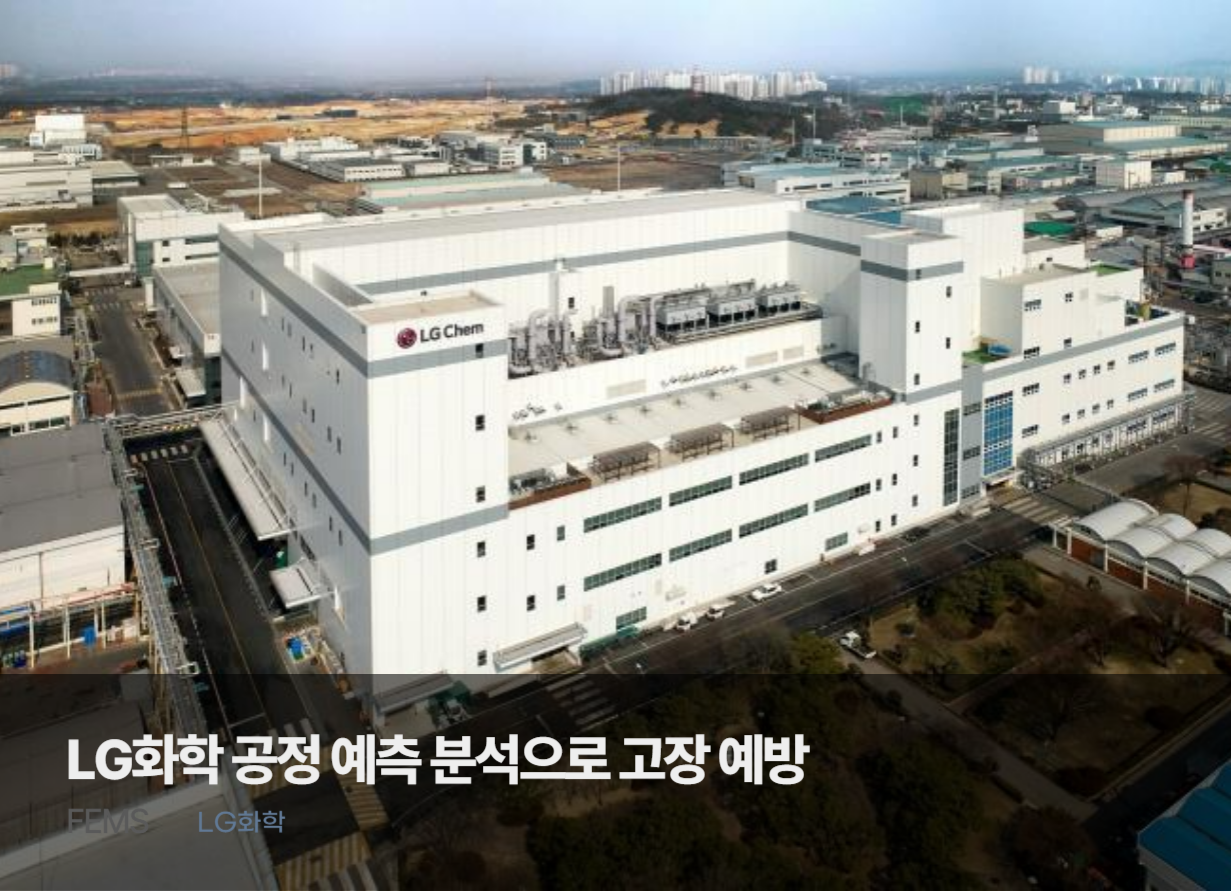
2. LG Chem: Preventing Failures with Predictive Analytics in Chemical Processes
Goal: Prevent equipment failures and reduce maintenance costs
Approach: LG Chem collected large volumes of data from its production equipment and used predictive analytics to forecast equipment failures before they happened. This minimized emergency shutdowns of critical equipment and enabled proactive maintenance that cut unnecessary operating costs. Compared with the previous schedule-based maintenance approach, the company raised equipment utilization far more efficiently and prevented unexpected downtime.
Results: Roughly 20% reduction in maintenance costs, extended equipment uptime
3. Hyundai Motor: Raising Energy Efficiency Across Production
Goal: Improve energy efficiency across the production process
Approach: Hyundai Motor monitored the power usage of key equipment in its vehicle manufacturing process in real time and used predictive analytics to improve energy consumption patterns. FEMS was deployed in power-intensive processes such as the paint shop to optimize usage and adjust equipment operation so machines ran only when needed. These energy-saving measures also strengthened the company’s sustainable management efforts.
Results: 10% reduction in annual energy costs, 15% improvement in process efficiency

4. POSCO: Optimizing the Steelmaking Process
Goal: Cut energy costs and improve efficiency in the steel production process
Approach: POSCO applied FEMS to its highly energy-intensive steelmaking process, analyzing energy usage in real time. Predictive analytics forecast peak power usage at specific equipment in advance so it could be optimized, reducing power consumption and preventing equipment overheating. This raised process efficiency and enabled greener operations, including lower greenhouse gas emissions.
Results: Roughly 18% reduction in energy costs, lower greenhouse gas emissions

Key Success Factors in Adopting FEMS Predictive Analytics
The following factors play a critical role in a successful FEMS predictive analytics deployment.
– Accurate data collection: The data collected from every piece of equipment and every process in the factory determines the accuracy of FEMS analysis.
– Optimized analytics models: Custom AI and machine learning models designed around each factory’s characteristics are essential for high prediction accuracy.
– Dedicated management staff: A dedicated team for FEMS operation enables real-time monitoring and fast decision-making based on predictive analytics results.
The Value of FEMS Predictive Analytics
FEMS predictive analytics goes far beyond simply monitoring a factory’s energy consumption — through predictive modeling, it makes a major long-term contribution to cost reduction and factory efficiency. As the cases above show, a FEMS equipped with predictive analytics helps companies cut operating costs in an efficient, sustainable way. FEMS is well positioned to become an essential tool in manufacturing, and its importance will only grow in an environment that prizes energy efficiency.
✅ Recommended Reading
Energy Efficiency UP, Power Quality KEEP: The EnergyQ Service