The Future of Smart Manufacturing: Technology Trends and Outlook Driving Innovation
Smart manufacturing is a production approach that maximizes productivity by combining factory automation with digital innovation. Much of manufacturing has already gone smart, but even more powerful technologies are expected to drive the industry’s innovation in the years ahead. In this article, we take an in-depth look at the technology trends that will shape the future of smart manufacturing and what lies ahead.
1. What Will the Future of Smart Manufacturing Look Like?
The future of smart manufacturing will go far beyond machines and people simply working side by side. Emerging technologies such as artificial intelligence (AI), the Internet of Things (IoT), cloud computing, and digital twins will redefine production processes, moving toward full automation and autonomous operations. This shift is expected to bring lower production costs, greater efficiency, and innovation in quality control.
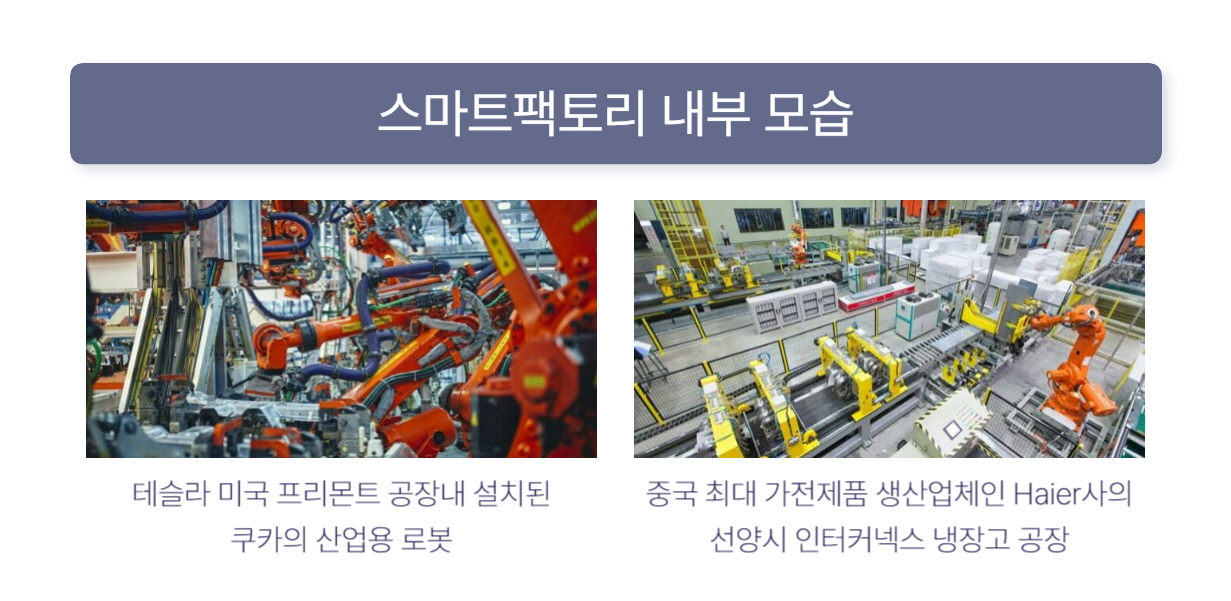
The factory of the future, driven by smart manufacturing, will enable customer-tailored production and real-time data analysis, moving beyond “mass production” toward “mass customization”.
2. Key Technology Trends That Will Drive the Future of Smart Manufacturing
What are the key technologies that will shape the future of smart manufacturing? Here are the trends to watch.
a. Advances in Artificial Intelligence (AI) and Machine Learning (ML)
AI and machine learning will play a central role in data analysis and decision-making in smart manufacturing. AI will analyze vast amounts of data in real time to maximize process efficiency and help reduce downtime through predictive maintenance. AI-based quality inspection will also minimize defect rates and automate processes that are difficult for humans to perform.
b. Digital Twin
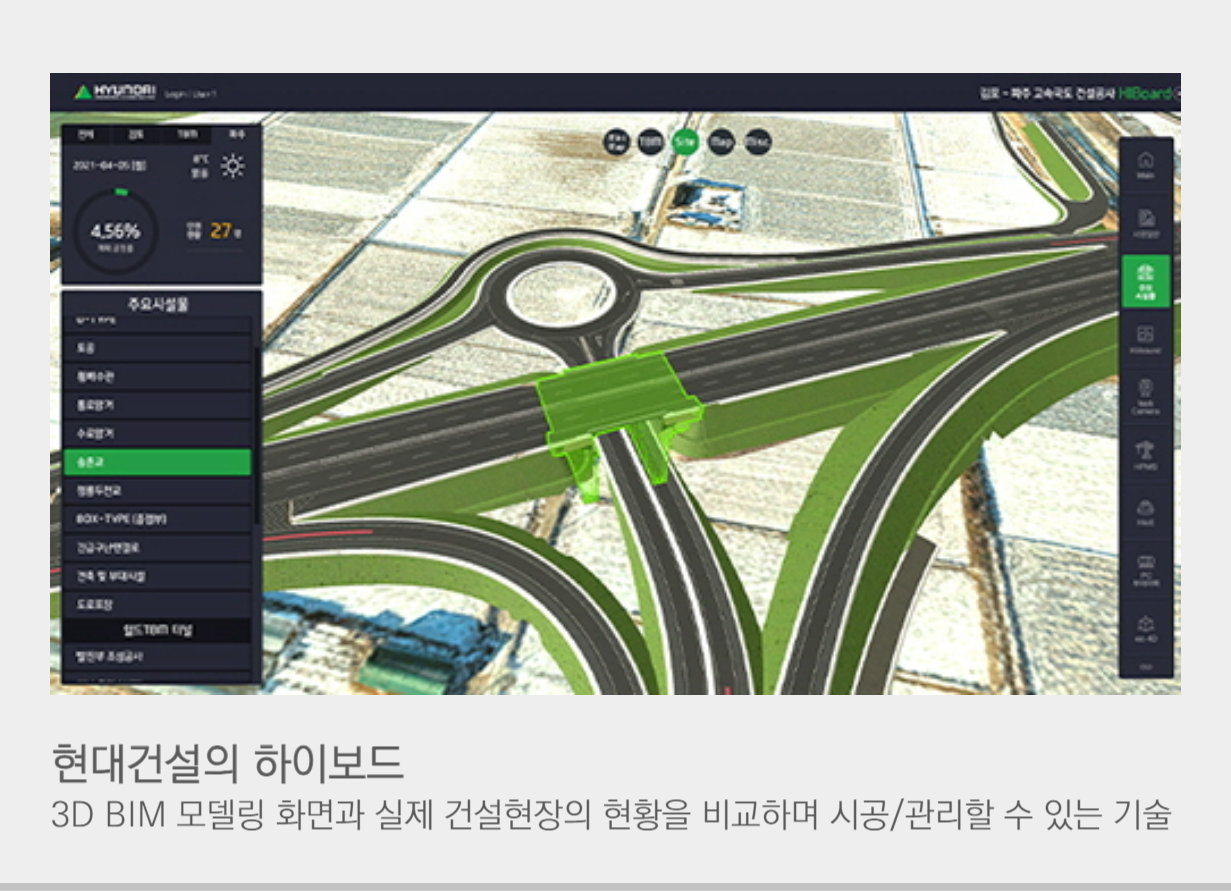
Digital twin technology creates a virtual replica of an actual process, enabling real-time monitoring and simulation. This makes it possible to predict process efficiency in advance and respond quickly when problems occur. In smart manufacturing, digital twins will bring major innovation to equipment uptime optimization, asset management, and the design and testing of new products.
c. 5G and the Internet of Things (IoT)
5G networks will serve as critical communication infrastructure for smart manufacturing. Ultra-fast data transmission and ultra-low-latency connectivity allow IoT devices to send and receive data in real time, making process automation faster and more accurate. The combination of 5G and IoT opens the door to autonomous equipment, remote management, and predictive maintenance.
d. Cloud Manufacturing
A manufacturing environment powered by cloud computing offers the flexibility to manage and analyze process data from anywhere in the world. The cloud lets companies reduce IT infrastructure costs while strengthening scalability and security, and easier collaboration and data sharing help them stay competitive in the global manufacturing ecosystem.
3. The Future of Smart Manufacturing: Challenges and Opportunities
The future of smart manufacturing will bring challenges alongside many innovative opportunities. Technological advances are fundamentally changing how manufacturing works, and the following key trends are expected to lead the production floor of the future.

– Personalized production: An era of personalized production is arriving, where products are made to match each customer’s needs.
– Sustainable production: Environmentally friendly materials and energy-efficient production systems will make sustainable manufacturing a reality.
– Human-robot collaboration: Advances in AI and robotics will create new production models in which humans and robots work together.
– Digitalization of the supply chain: Digital technologies adopted across the entire supply chain will increase transparency and efficiency.
4. Closing Thoughts: Essential Preparations for the Future of Smart Manufacturing
Smart manufacturing is no longer optional — it has become essential. To prepare for the future, companies must quickly embrace the latest technology trends and use them to continuously improve processes and drive cost efficiency. Businesses should design smart factories built on AI, digital twins, 5G, and cloud manufacturing to secure a competitive edge in a rapidly changing market.
As the innovative technologies behind smart manufacturing continue to advance, its future grows ever brighter and full of possibility. Preparing for next-generation manufacturing innovation today is the surest way to be ready for the coming paradigm shift in the industry.
✅ Recommended Reading
Smart Manufacturing Implementation Guide: A Step-by-Step Adoption Process