IoT: An Essential Ingredient for Successful ESG
ESG management has recently emerged as a global trend. Research grounded in ESG has existed for decades, but it has grown dramatically in recent years, and as of 2020 the value of ESG-based assets was estimated at 45 trillion dollars. Companies at home and abroad have rushed to declare ESG management, public institutions are forming consultative bodies, and ESG-related bills are actively being introduced in the National Assembly. So what exactly is ESG?
What Is ESG?
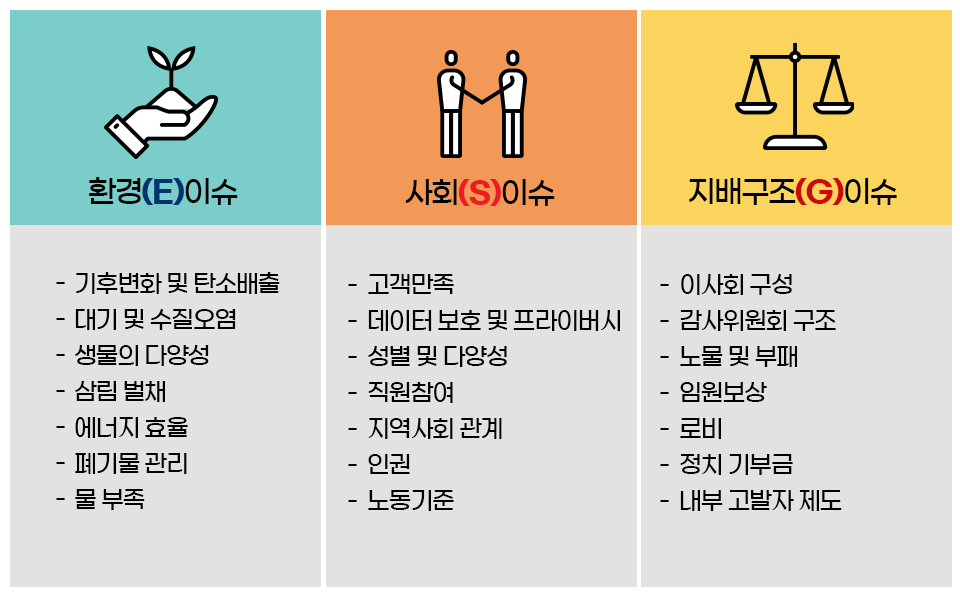
ESG is an acronym for Environmental, Social, and Governance. ESG management can be described as moving beyond the traditional, profit-only approach to running a business and instead pursuing and realizing sustainable growth. In other words, rather than focusing solely on financial indicators such as revenue and profit, companies must now consider the environment and society and pursue transparency in corporate governance.
The Background of ESG
First, the rise of the MZ generation laid the foundation for ESG’s emergence. MZ-generation consumers spend according to their beliefs and values, preferring products with a positive environmental or social impact. They are correspondingly interested in companies that practice ESG management, companies judged to be just and fair. Second is the pursuit of sustainable management: companies themselves have come to realize that ESG pays off in the long run. Finally, environmental factors played a major role. Extreme weather and COVID-19 have heightened the sense of crisis over catastrophes caused by environmental destruction.
Differences from Existing CSR
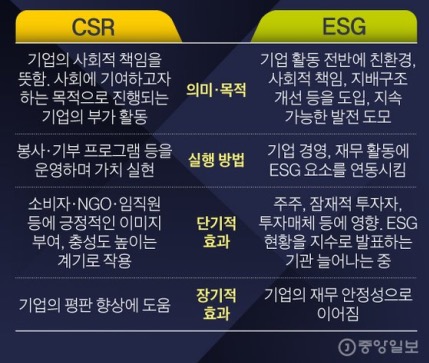
Both pursue sustainable management, but they differ. CSR emphasizes corporate social responsibility: giving back to society the gains earned through business, via social contribution and philanthropy. It remains, in the end, a supplementary corporate activity. ESG, by contrast, plays a central role in how the business itself operates. It is about how a company’s business model, products, and services contribute to sustainable development. ESG also originated with investors as an investment metric for measuring sustainable management, so it emphasizes quantified, measurable figures.
Why ESG Matters
Going forward, ESG will play an ever more important role in corporate value and corporate evaluation. In the investment world, it already serves as a priority investment metric, because historical data shows that ESG makes money. Companies that practiced ESG management delivered stable returns through periods of high volatility such as the oil shocks, the financial crisis, and the COVID-19 pandemic. In the end, it has been demonstrated that companies that handle environmental, social, and governance issues well naturally see stronger long-term financial performance. With investment pouring into ESG, its growth potential is only expected to increase.

ESG has become even more important for startups targeting the US or European markets, facing new hurdles such as the carbon border tax and having to join RE100 (sourcing 100% of the electricity a company uses from renewable energy) as a partner.
Building an ESG Strategy
First, it is important to build a sound strategy for approaching ESG. Depending on the industry you are in, the way you address ESG and the scale of the risks will inevitably differ. Experts say good results come only when ESG leads to a well-orchestrated system approached from a business perspective rather than a regulatory one. Ultimately, the key is how well you take the long view and embed the ESG perspective holistically into your business strategy.
Digital Transformation: The Link Between ESG and IoT
As mentioned above, ESG emphasizes quantified, measurable figures. No matter how well you do ESG, it means little if you cannot express it in numbers. Digital transformation is indispensable for quantifying and measuring ESG. The big tech companies regarded as ESG leaders, such as Microsoft, Tesla, Google, and Apple, go beyond doing ESG well; they excel at demonstrating their ESG activities in numbers. Digital transformation is expected to carry even greater weight in ESG activities going forward.
IoT: The Technology ESG Needs
Ultimately, ESG activities require IoT. Here is why.
IoT can help make the collection and reporting of ESG metrics more accurate and streamlined. Environmental indicators such as carbon emissions, energy efficiency, water quality and waste management, and indoor air quality can be measured precisely and cross-checked using IoT sensors. This makes it easy to see whether your company is meeting its targets or needs to take action to improve efficiency.
IoT can also help improve ESG performance. By securing and monitoring accurate data through IoT sensors, you can uncover improvements and create opportunities for optimization. Alarm systems notify you when conditions drift out of the optimal range so you can act early.
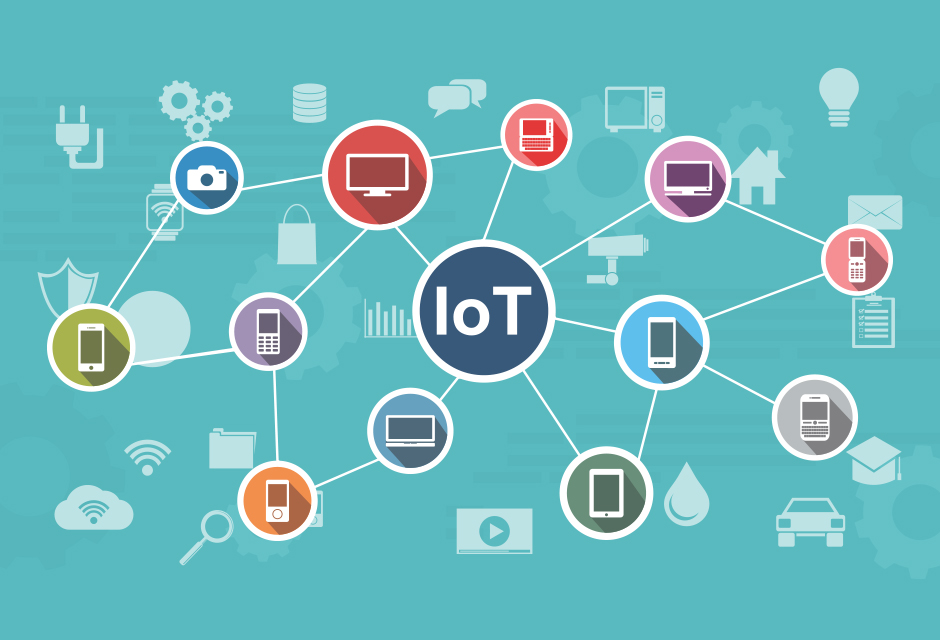
According to Transforma Insights and 6GWorld, by 2030 IoT devices will reduce electricity consumption by more than eight times the power they themselves use. Converted into carbon emissions, that is equivalent to a full 1 gigatonne worldwide; the adoption of IoT can cut carbon emissions on an enormous scale.
How to Do ESG with an IoT Platform!
How can IoT technology contribute to solving environmental and social problems? Let’s look at Thingplus IoT services broken down by each element of ESG.
Environmental
The Environmental pillar looks at a company’s impact on the planet against environmental criteria. The key questions are how much carbon is emitted in making a product and whether energy efficiency is being maintained.
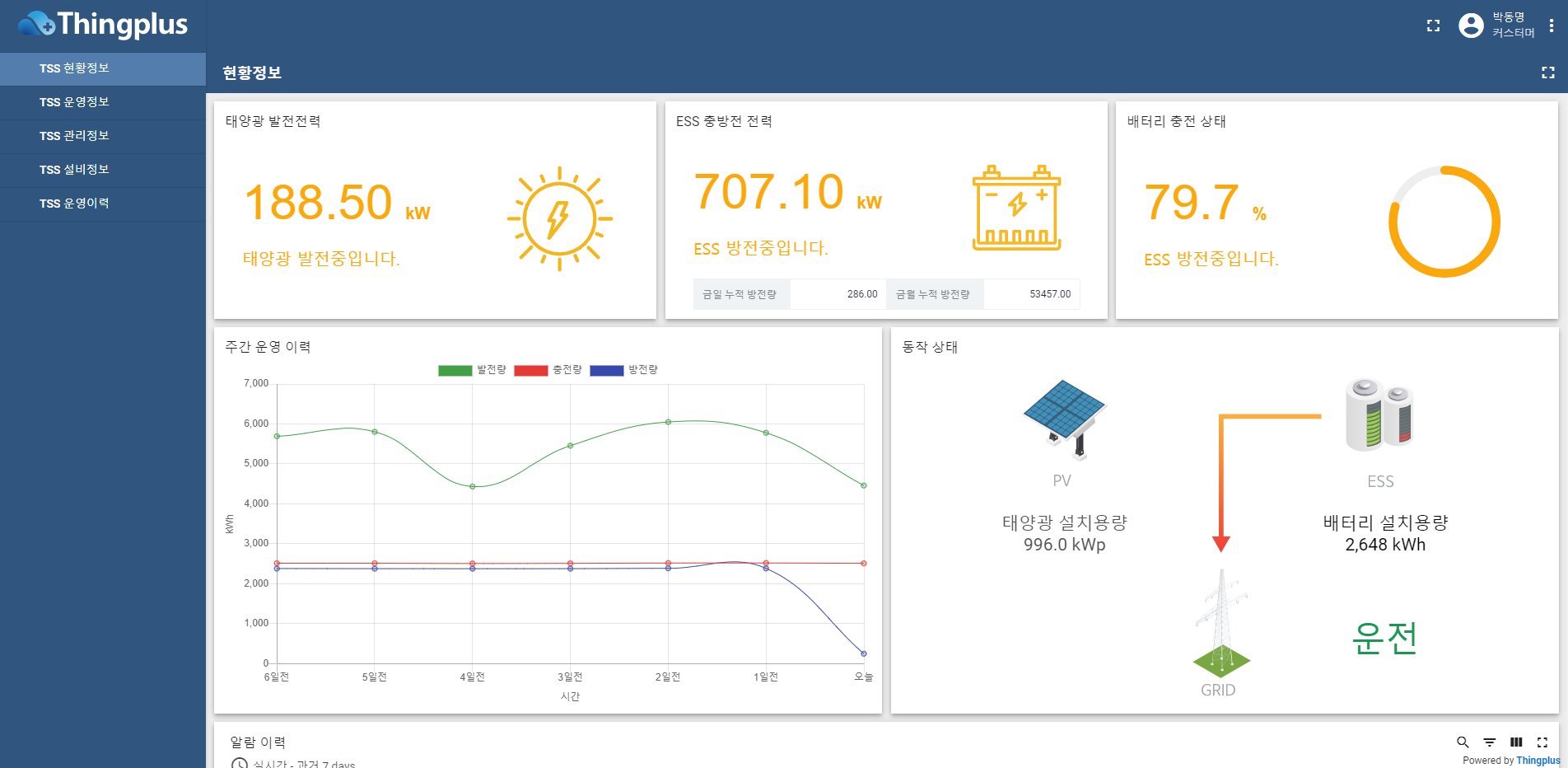
① Renewable Energy – Solar Power Generation System
You can check the real-time status and operation of your solar power generation system and analyze generation performance. Remote control support has also dramatically reduced the number of site visits required.
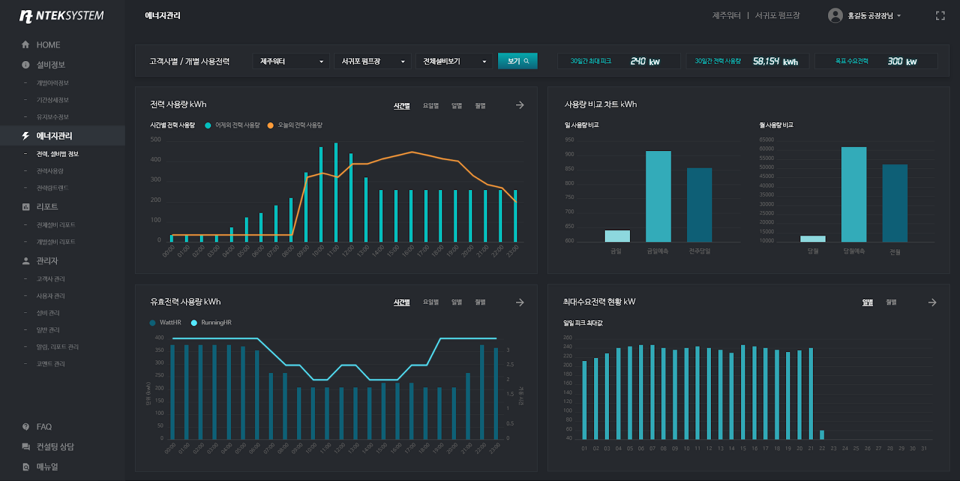
② EMS – Energy Usage Analysis and IoT Energy Control
IoT devices meter the power consumption of key equipment to analyze electrical energy usage and monitor peak demand, improving energy efficiency. Devices such as heating and cooling units and lighting can also be controlled automatically according to management scenarios configured around a space’s real-time electricity usage or environmental changes (temperature, humidity, and so on), putting electrical energy consumption on autopilot. Adopting an EMS delivers average annual energy savings of 7.3%.
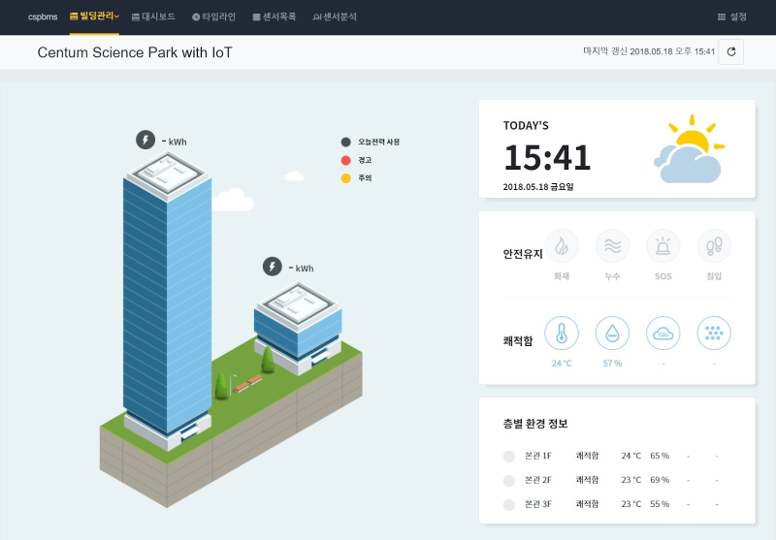
③ BMS – Building Energy Management
This service analyzes, manages, and optimizes all energy usage, usage status, and usage patterns within a building based on energy usage data for each space and for equipment and facilities. With building energy management in place, energy usage fell by an average of 8% while energy efficiency rose by an average of 10%.
④ Smart Farm
Based on farm monitoring data, facilities such as heaters, ventilation fans, and sprinklers are controlled to create the optimal growing environment. This has increased farm output by up to an average of 32% and reduced discarded crops by up to an average of 24%.
Social
The Social pillar centers on people and reputation. It examines whether workers are properly paid in a safe environment and whether the socially vulnerable are embraced.
① Smart Patch Service
A body temperature management service for worker health in the COVID era: workers wear a smart patch linked to a smartphone, which collects data to track worker temperatures and provides alerts on abnormal signs.
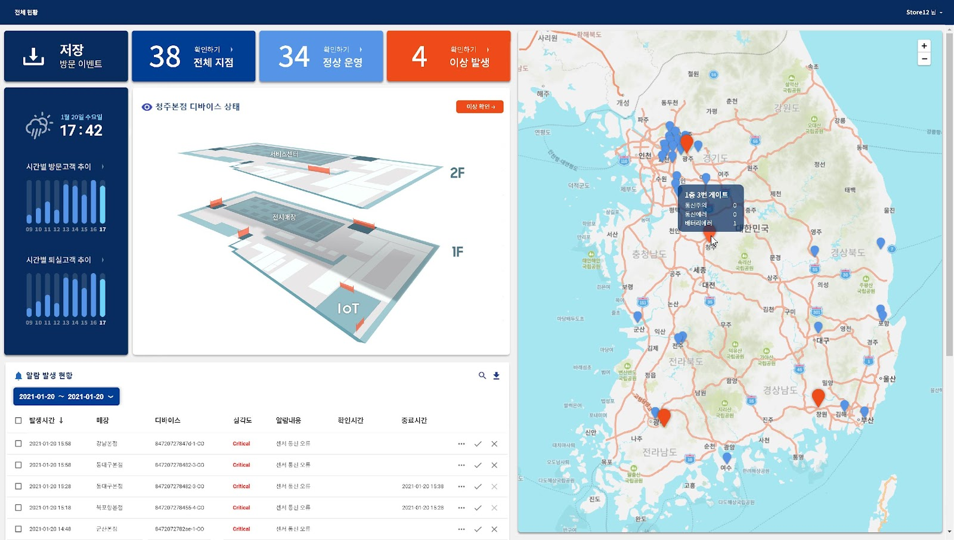
② Visitor Analytics Service
We have built and provide IoT systems for visitor analytics at some 100 service centers and retail stores of S Electronics nationwide. Events and promotions informed by visitor trend analysis have improved customer satisfaction.
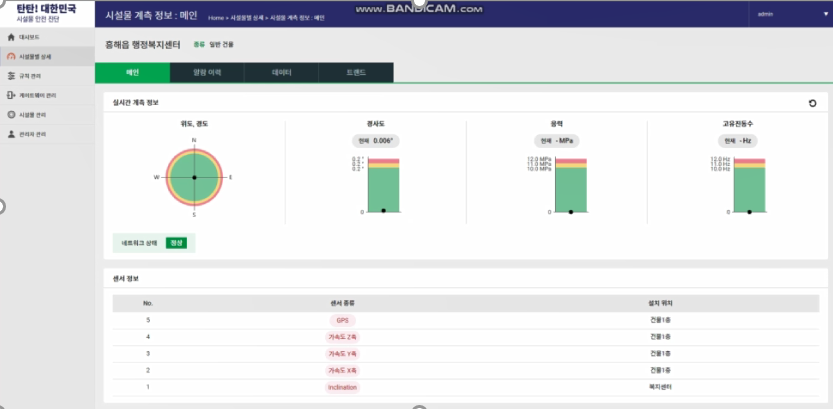
③ Structural Safety Diagnosis and Monitoring Service
Buildings in earthquake-damaged areas of Pohang were selected to receive real-time structural safety monitoring. AI-based analysis applies structural risk estimation techniques and provides alerts on the safety status of building structures.
④ EMS – Electrical Safety Management
Real-time power quality management enables real-time monitoring of electrical safety, preventing a range of electrical accidents caused by power quality anomalies such as short circuits, overloads, and outages. This reduced the annual rate of electrical accidents by an average of 7%, ensuring safer working conditions for factory workers.
⑤ BMS – Smart Office
Environmental data such as temperature, humidity, and fine dust levels in the office is collected, and devices such as air conditioners, air purifiers, and lighting are controlled accordingly to create and maintain an optimal working environment. As a result, work productivity increased by an average of 14% while office maintenance costs fell by an average of 26%.
How to Do ESG with an IoT Platform!
ESG is becoming an unstoppable global trend. Going forward, companies must pay attention to non-financial performance, including ESG metrics. You can get started with ESG through IoT technology. If you would like to learn more about our solutions and how to adopt them, contact us!