Key Motor Diagnostic Technologies: Vibration Analysis, Temperature Monitoring, and Current Analysis
Motors are indispensable devices in modern industrial society. Serving as the core of countless facilities and equipment, motors can suffer wear and failure over long periods of use. These problems can lead not only to reduced productivity but also to unexpected cost increases, with significant impact across industry.
What has evolved to solve these challenges is motor diagnostic technology. Diagnostic technology precisely monitors motor condition and identifies potential failures in advance, enabling preventive action. In this article, we examine the principles, strengths, and weaknesses of vibration analysis, temperature monitoring, and current analysis — the technologies at the heart of motor diagnostics — and look at how each is used in the field.
1. Vibration Analysis: The Standard for Diagnosing Mechanical Faults
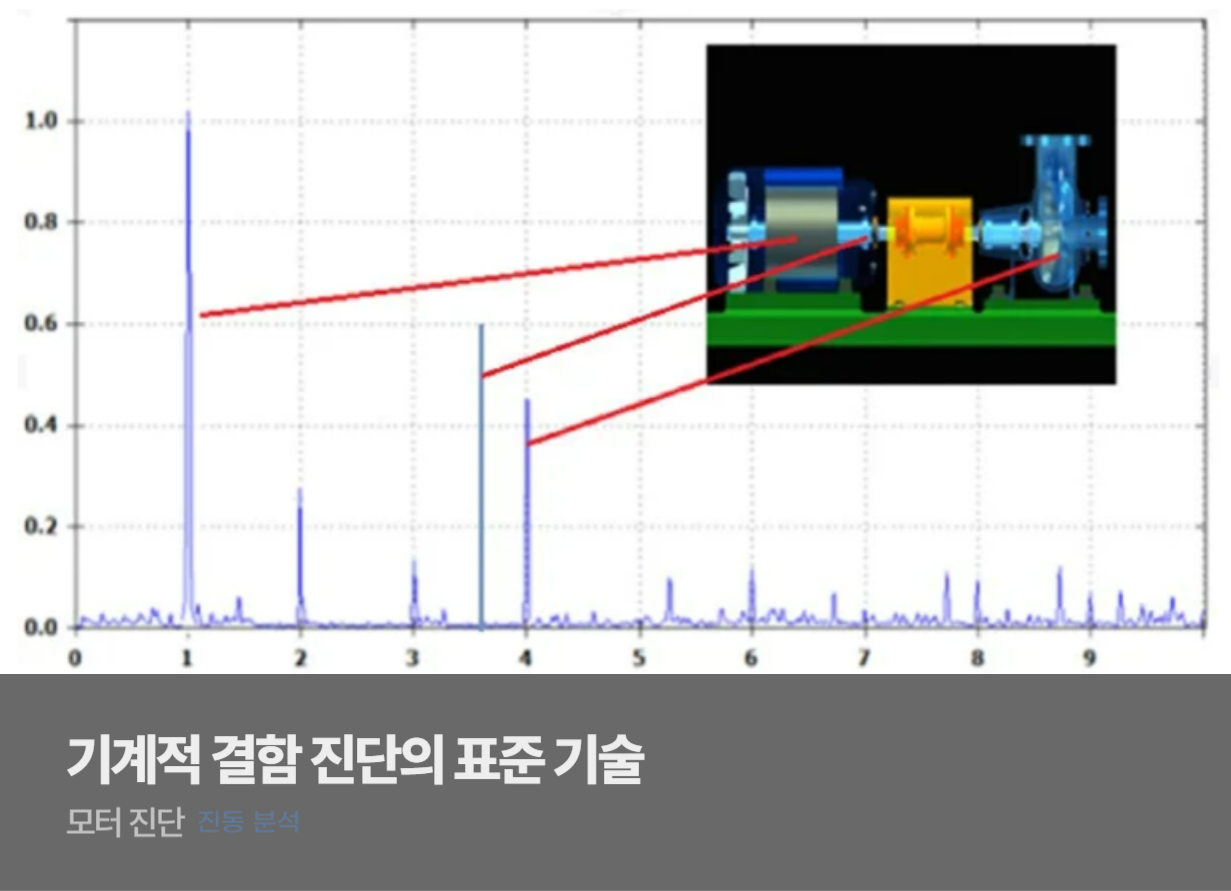
Vibration analysis is one of the most common methods for evaluating a motor’s mechanical condition. Faults or imbalances inside the motor alter its vibration patterns, and these changes can be used to diagnose a wide range of problems.
Principle
Vibration signals are measured using an accelerometer mounted on the motor, and the data is converted into the frequency domain. Each frequency component is associated with a specific fault, so analyzing the frequency spectrum reveals the type and severity of the fault.
Advantages
– A relatively simple and cost-effective diagnostic method
– Can diagnose a wide range of faults, including imbalance, bearing damage, and mechanical wear
– Enables early fault detection, making it effective for preventive maintenance
Disadvantages
– Sensitive to environmental factors (temperature, external vibration, etc.), which can reduce accuracy
– Interpreting the results requires specialized expertise
Use Cases
– Periodic condition checks of rotating equipment in manufacturing
– Maintaining stable operation of rotating machinery in petrochemical plants
2. Temperature Monitoring: The Key to Thermal Condition Management
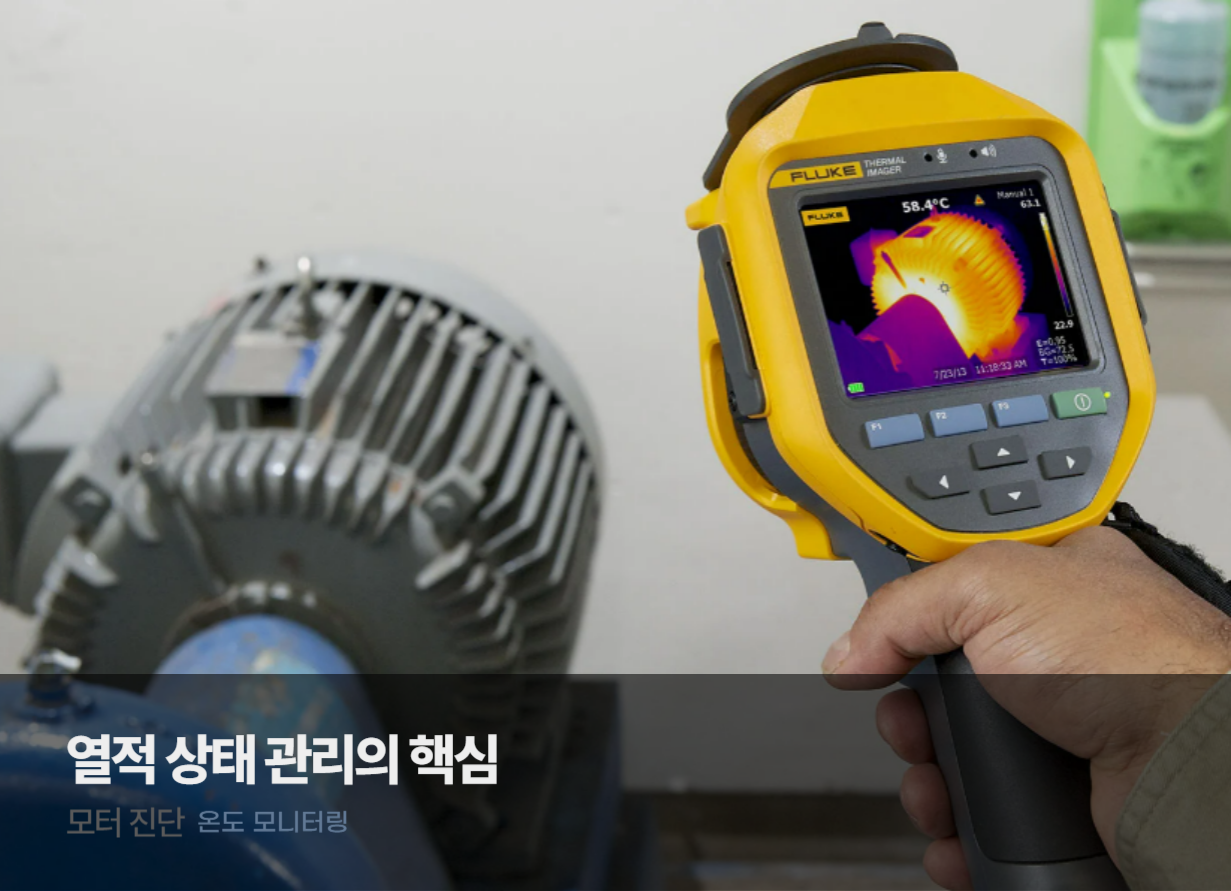
Overheating inside a motor can cause insulation damage, shortened service life, and even fire hazards. Temperature monitoring continuously evaluates the motor’s thermal condition and catches early signs of overheating to prevent major losses.
Principle
Temperature sensors mounted on the motor measure internal temperature in real time, and an alarm is triggered whenever a configured threshold is exceeded, signaling an abnormal condition.
Advantages
– Prevents failures caused by overheating
– Simple to install and maintain, and cost-effective
Disadvantages
– Difficult to diagnose the direct cause of a fault
– Measurement accuracy can vary depending on sensor placement
Use Cases
– Condition monitoring of large motors in power grids
– Efficient facility management through integration with IoT-based remote temperature sensing systems
3. Current Analysis: Rapid Detection of Electrical Problems
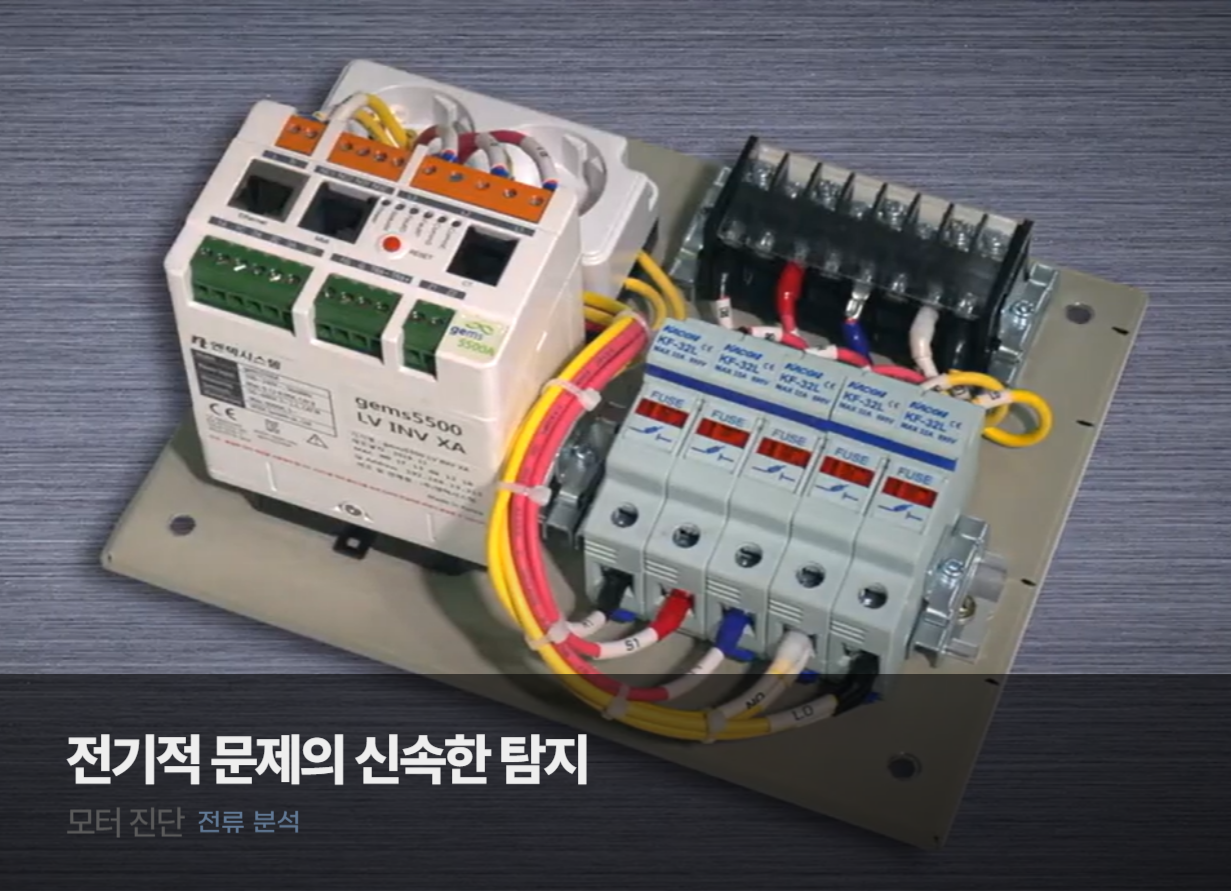
The current flowing through a motor carries vital information about its load condition and fault types. Current analysis uses this information to evaluate the motor’s electrical condition and is highly effective at detecting anomalies.
Principle
The motor’s current is measured and converted into the frequency domain for analysis. Specific frequency components are linked to specific faults, making it possible to diagnose problems such as winding short circuits, imbalance, and bearing damage.
Advantages
– A non-invasive way to evaluate motor condition
– Can indirectly detect some mechanical faults as well as electrical ones
– Enables real-time analysis without stopping the motor
Disadvantages
– Requires specialized knowledge of current waveform analysis
– Sensitive to noise, which can reduce analytical accuracy
Use Cases
– Condition checks and maintenance optimization for high-voltage motors
– Building predictive maintenance systems with smart sensors
Frequently Asked Questions (FAQ)
Q1. When is vibration analysis most effective?
A1. Vibration analysis excels at early detection of mechanical faults (bearing damage, imbalance, etc.) and is used effectively across every industry that operates rotating equipment.
Q2. What problems can current analysis detect?
A2. Current analysis can detect not only electrical problems (winding short circuits, voltage imbalance, etc.) but also, indirectly, mechanical issues such as load changes and bearing damage — providing a comprehensive assessment of both electrical and mechanical condition.
Q3. Why is temperature monitoring necessary?
A3. Motor overheating can lead to serious problems such as insulation breakdown and component damage. Temperature monitoring catches these issues early and prevents major accidents.
Q4. How does current analysis differ from vibration analysis?
A4. Vibration analysis focuses primarily on directly detecting mechanical problems, while current analysis centers on electrical issues but can also indirectly assess mechanical faults — that is the key difference.
Q5. Can these diagnostic technologies be applied to small motors?
A5. Yes. Temperature monitoring and current analysis can easily be applied to small motors, and combining them with IoT-based technology enables efficient condition management.
Closing Thoughts
Motor diagnostic technology is essential to maintaining the productivity and reliability of modern industry. Vibration analysis, temperature monitoring, and current analysis each bring their own strengths, enabling early detection of a wide range of faults, extending motor life, and minimizing downtime.
Choosing or combining these technologies appropriately for each situation makes far more reliable diagnostics possible. Looking ahead, the convergence of artificial intelligence (AI) and big data will enable even more precise, smarter diagnostic systems — further strengthening efficiency and reliability across industry.
✅ Recommended Reading