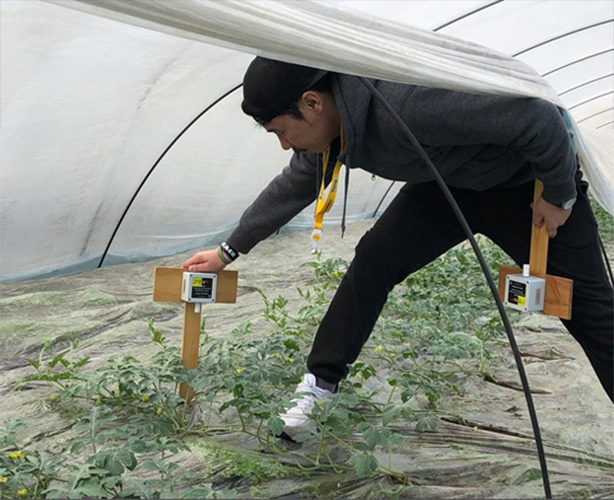
Director Taehyun Kim at the Smart Farm project site
Thing+ IoT Smart Farm (Smart Greenhouse) Project in Japan – An Overview of a Practical Solution with Temperature and Humidity Sensing
Thing+ IoT Smart Farm (Smart Greenhouse) Project in Japan – An Overview of a Practical Solution with Temperature and Humidity Sensing
Hello, this is Daliworks.
Today we would like to introduce a Smart Farm pilot project we recently completed in Japan.
The key point of this project was to digitalize a greenhouse complex and collect farm condition data, which had never been recorded consistently before, in digital form, thereby improving greenhouse productivity, reducing costs, and enhancing security.
The project was built on Thing+, our IoT cloud platform, and is a case in which we delivered a solution customized to customer needs, targeting customers who operate greenhouse farms as well as SI and IT companies that provide related services.
If you are interested in this solution, feel free to contact Daliworks anytime. 🙂
Solution Design
The first step toward this project was to collaborate with a Japanese partner with deep expertise in greenhouse farming.
Together with our Japanese partner, we spent several weeks gathering customer requirements and identifying the data needed, and selected hardware capable of overcoming network, internet, and connectivity challenges given the physical environment of the greenhouses.
The key goals of the project were to collect temperature and humidity data from six points inside the greenhouses every 15 minutes and to track the open/closed status of each greenhouse door.
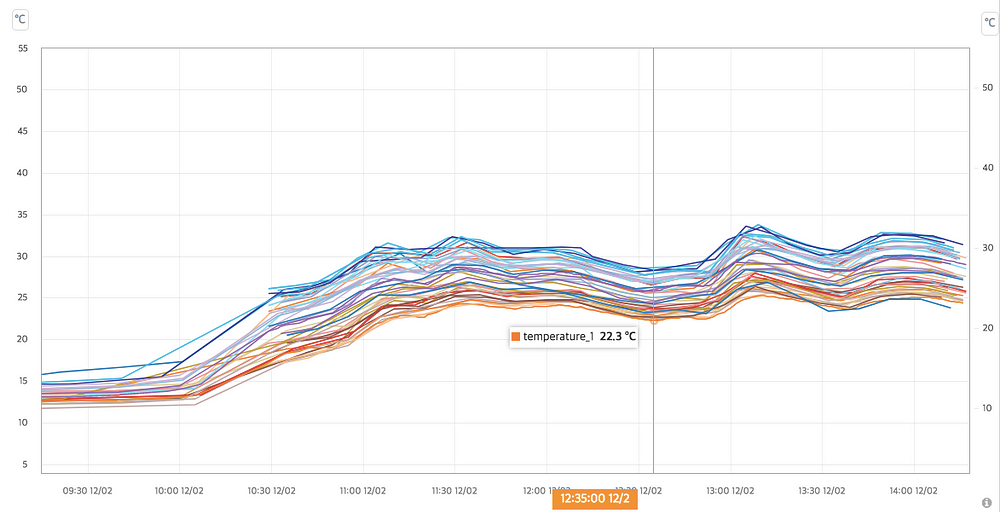
Identical greenhouses using heaters and ventilation equipment, yet with temperature differences of 8 to 10 degrees
Temperature and humidity readings are essential for determining whether the pattern of condition changes in each greenhouse is optimal.
Until now, the greenhouses covered by this project had been manually checking heating and ventilation temperature and humidity settings based on the season and time of day.
However, throughout the working day, the internal and external environment changes continuously — not just the weather, but also the amount of sunlight. Considering that other greenhouse conditions keep changing as well, it was easy to understand why the user wanted continuous data collection.
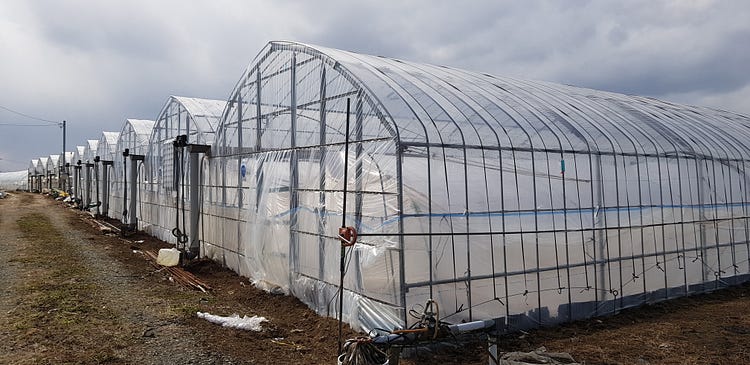
A greenhouse with no intrusion detection is an easy target for theft.
By checking in real time whether greenhouse doors are open or closed, security issues can be prevented right away, and preventing theft from greenhouses full of watermelons and other high-value produce was an important goal of this project.
Traditional security solutions (CCTV and other specialized security equipment) involve high installation costs, so simply monitoring door openings and closings and setting up automatic notifications can improve the farm’s security.
By periodically monitoring temperature and humidity data for four specific zones across the farm’s 17 greenhouses, heating and ventilation costs can be reduced. Alerts and analysis start out manual, and once automated later on, they deliver clear gains in productivity along with labor cost savings.
For safety as well, beyond a simple display of the current door status, greenhouse owners can check conditions at any time in addition to receiving automatic alerts.
You might ask, “Aren’t measurement and monitoring systems like this already in use in greenhouses?” We thought so too.
However, we learned that due to hardware challenges and the high cost of traditional industry-standard systems and software, real-time data collection is out of reach for the vast majority of farms and greenhouse growers.
User-Tailored UI Design
Greenhouse operators and owners needed a way to monitor live data over the web, receive alerts on out-of-range data, and analyze that data.
The user interface was based on the standard Thing+ UI, with several specific customizations made at the partner’s request.
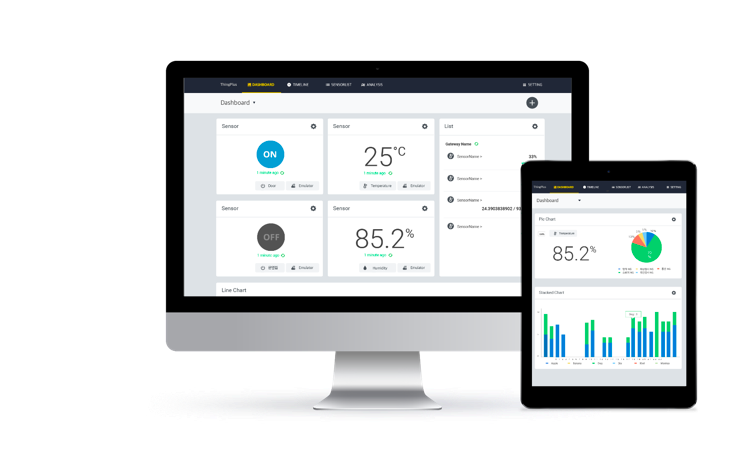
The default Thing+ dashboard.
The main requirement was to transform the dashboard from one composed of data widgets into a map-centered dashboard showing the location of the farm.
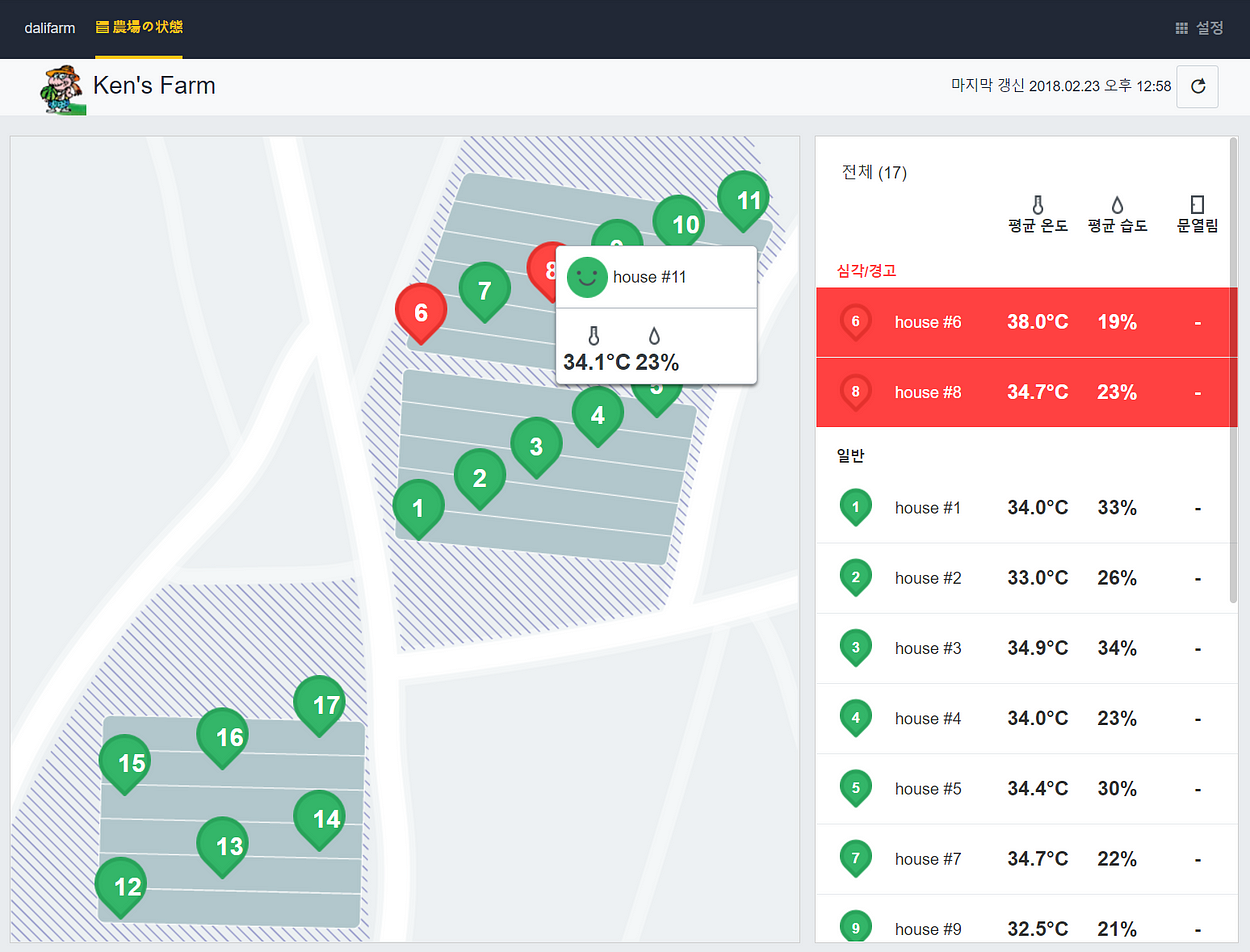
A dashboard customized around maps and location data visualization
We also needed to add a more detailed “drill down” feature for each greenhouse.
This feature displays the data from the sensors installed in each greenhouse along with 24 hours of measurements, all visible at a glance. We could have done this with the default Thing+ UI, but we designed a specific UI tailored to the needs of the greenhouse farm owner.
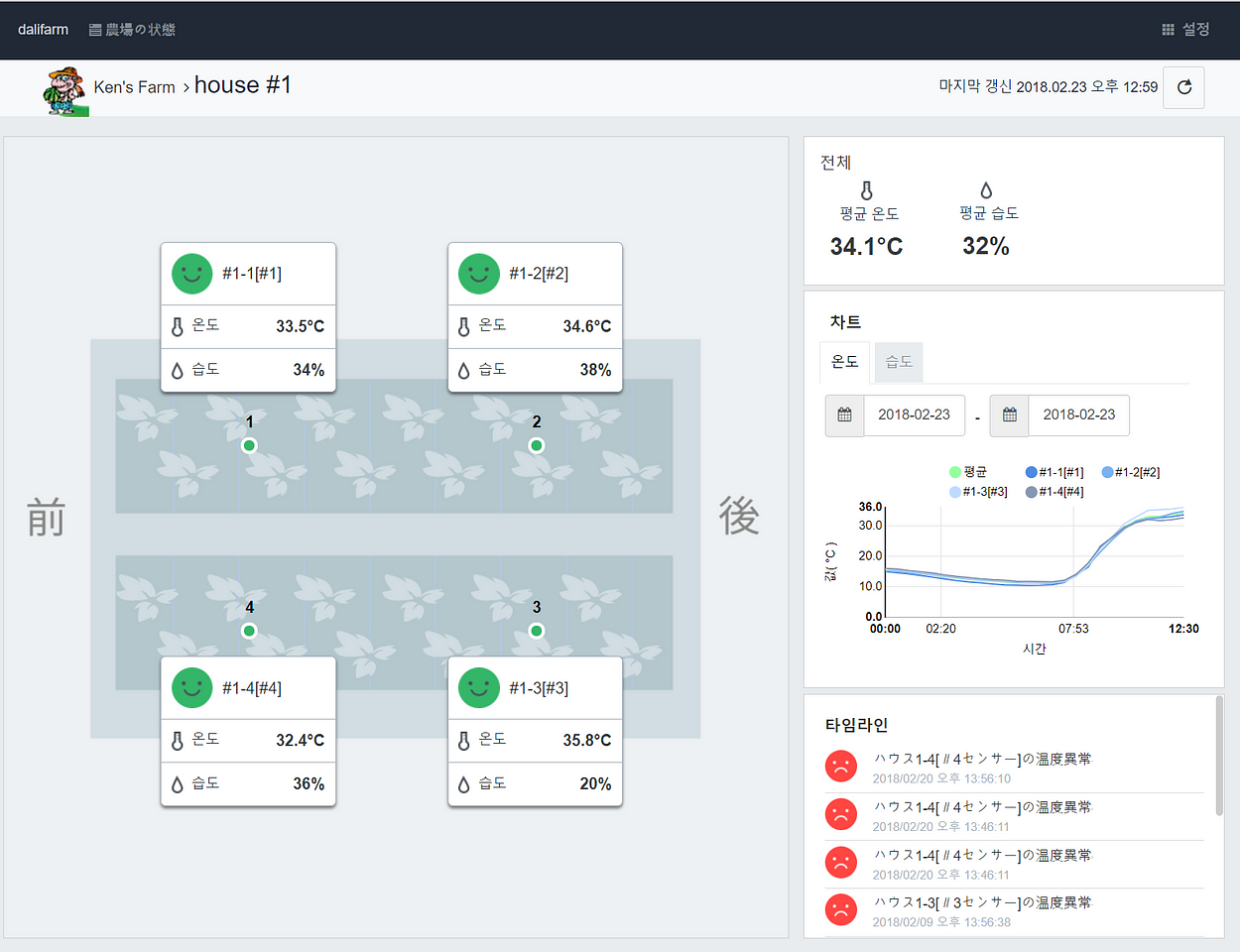
The “drill down” UI for a single greenhouse presents all key data at a glance. (Prototype)
Alerts for out-of-range temperature and humidity data were configured using the standard Thing+ rules engine.
For critical events, such as a door opening at certain hours, direct SMS messages were used as the alert format.
For lower-priority events, alerts go straight to the service timeline, providing operators with the notifications that occurred.
On the back end, data transmission and storage had to be robust, so the Amazon AWS Japan cluster was used. Thing+ is natively built on Amazon AWS, so AWS was used for data transmission and storage.

Finally, since LoRaWAN was used as the communication method, we needed a network server for the project — in particular, one that could scale.
For this, we used LorIOT’s LoRaWAN network server solution. LorIOT has experience running large commercial projects in the past, so it can also be applied to the larger commercial projects that follow this one.
Solution Hardware
The greenhouse complex spans a wide area (up to 600 meters at its farthest), so it was important to have coverage that penetrates walls and buildings well while also covering long distances.
That is why we chose a LoRaWAN-based solution. It was also important that the system could integrate with a wide variety of devices, in case new sensor or automation options were needed later.
Thing+ is already a member of the LoRa Alliance, which made this decision even easier.
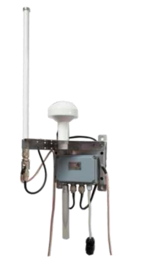
RisingHF Outdoor Gateway
The gateway used in this project was RisingHF’s RHF2S008. The gateway is designed for outdoor use and must require very little maintenance.
The deployed gateway had to keep operating reliably outdoors for years without the smart farm operator paying it any attention.
Power was supplied over POE (Power over Ethernet).
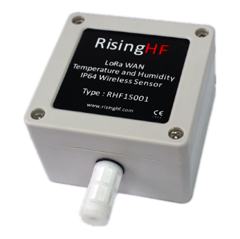
RisingHF temperature/humidity sensor
For sensors, we used RisingHF’s own temperature and humidity sensors. RisingHF sensors are protected against UV and perform well under the various environmental conditions inside greenhouses.
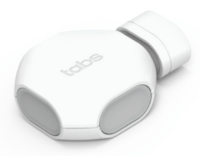
Tabs door sensor
Finally, we planned to use Tracknet’s TABS door and window sensors to check whether doors were opened or closed at specific times of day.
However, as you can see in the photo, during installation we discovered that this sensor was not well suited to greenhouse doors.
We therefore plan to update the project later with door sensors better suited to the greenhouse site. We will update this post again when the replacement sensor hardware is deployed in the field. 🙂
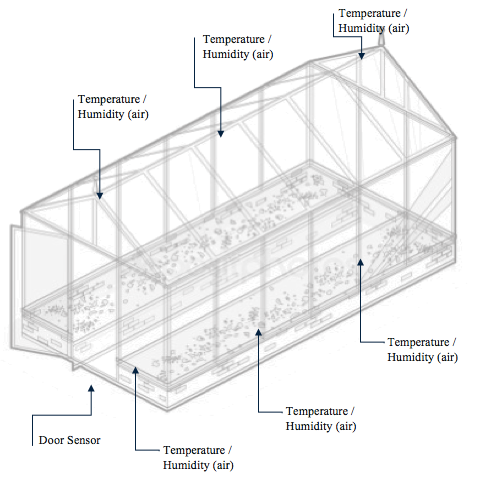
Overall installation diagram
Lastly, a Tata SIM card was used in the RisingHF gateway to provide the 3G connectivity needed to bring the data collected by the sensors into the Thing+ cloud.
Solution Development and Installation
The first step toward successfully delivering the solution in the field was to run initial tests of the RisingHF and Tracknet devices in advance to confirm that their data could be collected reliably.
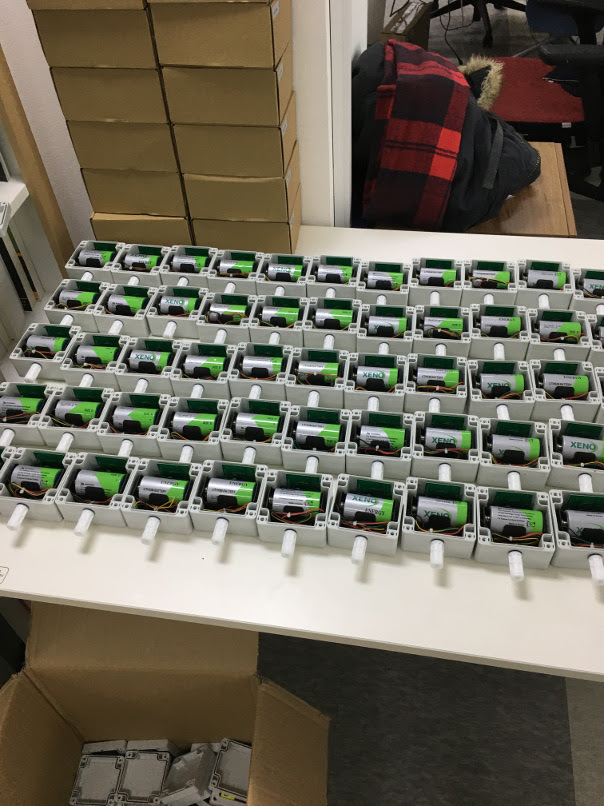
Testing in progress at the office
In our office tests, the RisingHF equipment worked without any major issues. As mentioned above, however, we found that the Tracknet door sensor was somewhat unsuitable for installation at the actual greenhouse farm site.
After verifying the equipment through various hardware tests, the Thing+ team arrived in Japan and worked to ensure the hardware and solution were properly installed and operating.
This was our first project using this hardware, and we sent our best team into the field to build a reference case for Thing+ business partners.
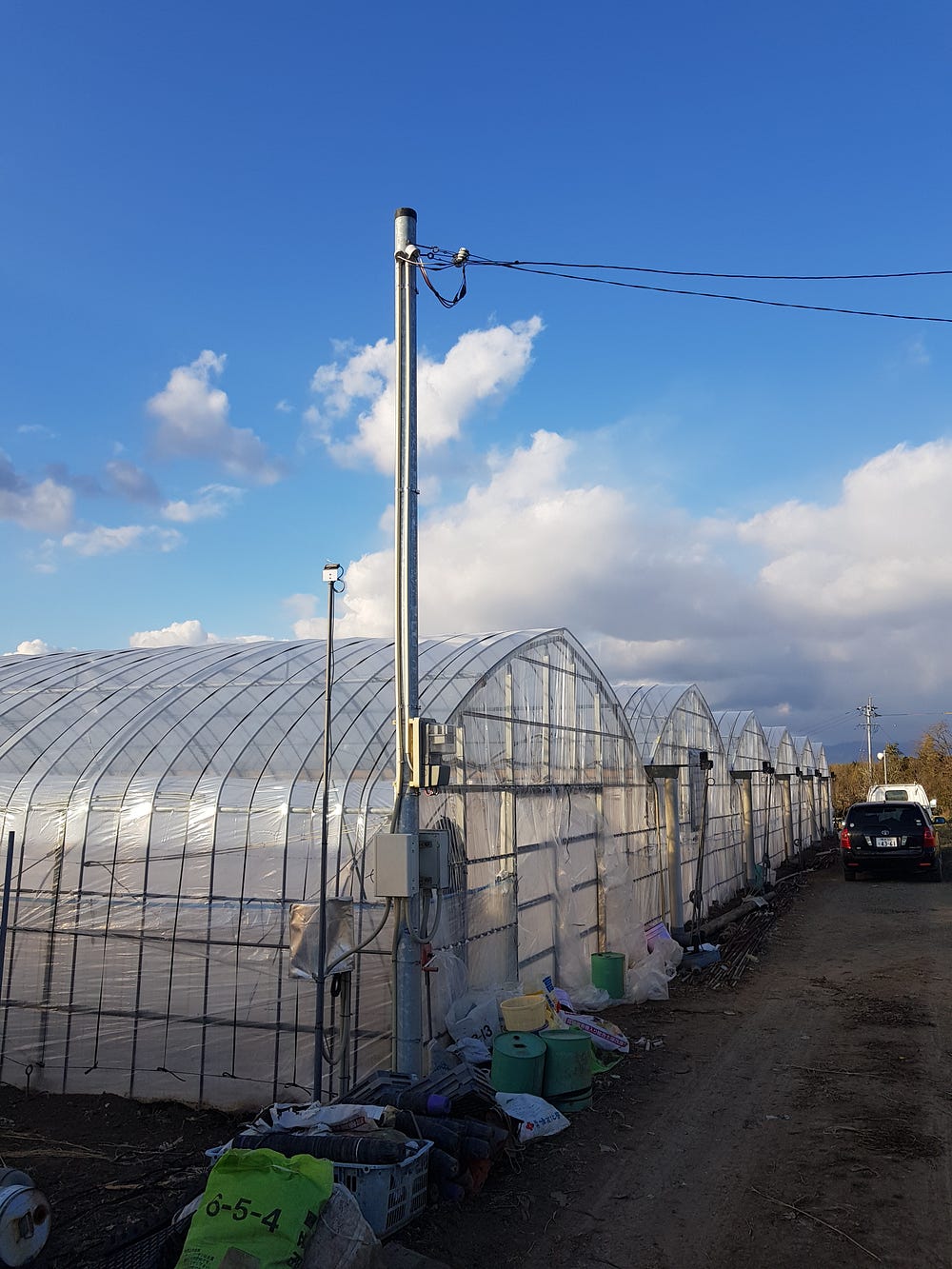
The greenhouse complex consists of six greenhouses per block.
When we arrived on site, the outside temperature was very cold. Inside the greenhouses, however, the environment was the complete opposite.
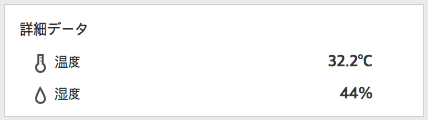
Midday temperature inside a greenhouse
Our team installed the gateway (RisingHF RHF2S008) at a high point in the center of the area where the greenhouses are located. Although the maximum range required was ~600m, network connectivity was excellent all the way to the sensor farthest from the gateway.
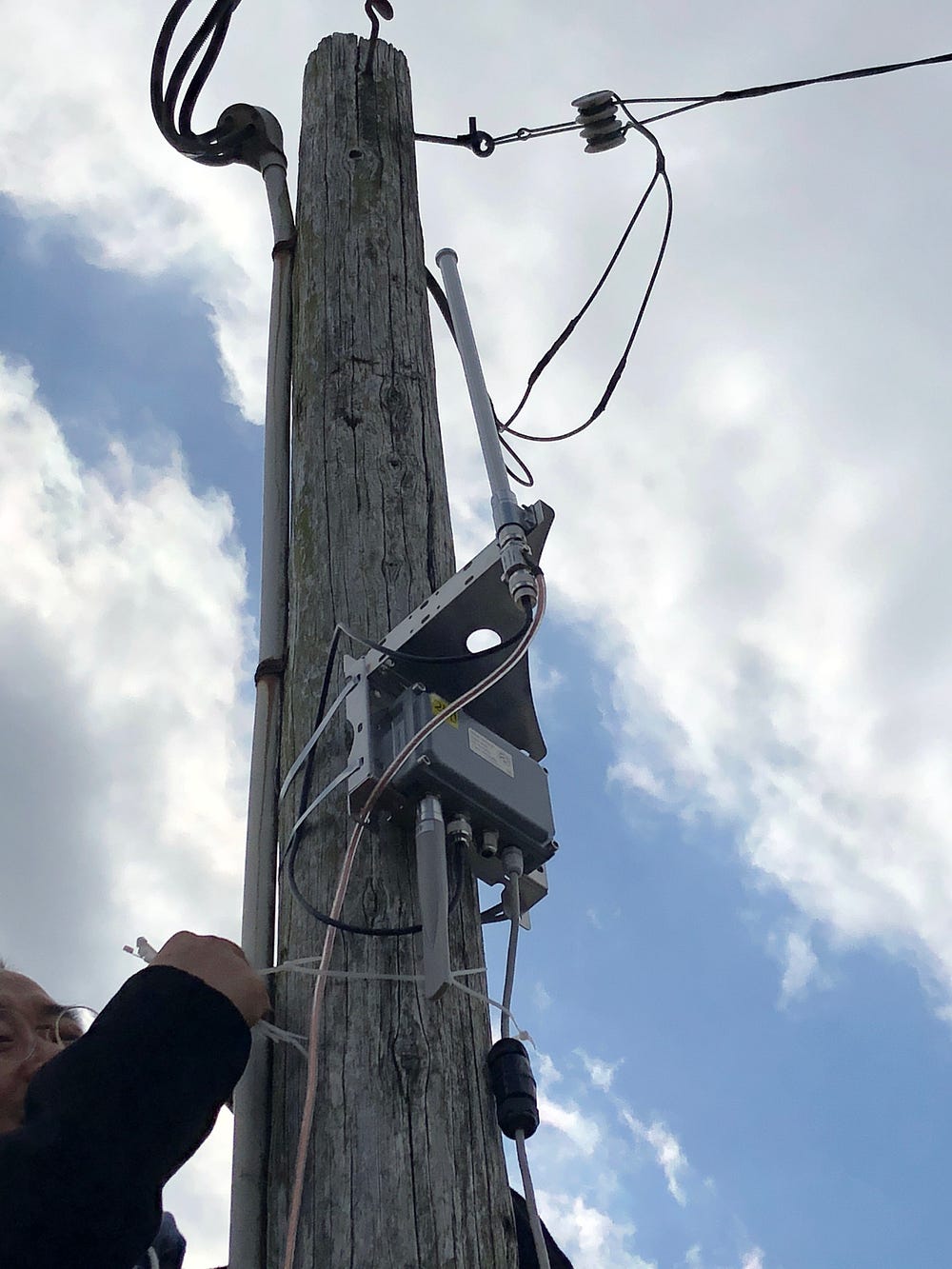
The RisingHF gateway installed at a high elevation
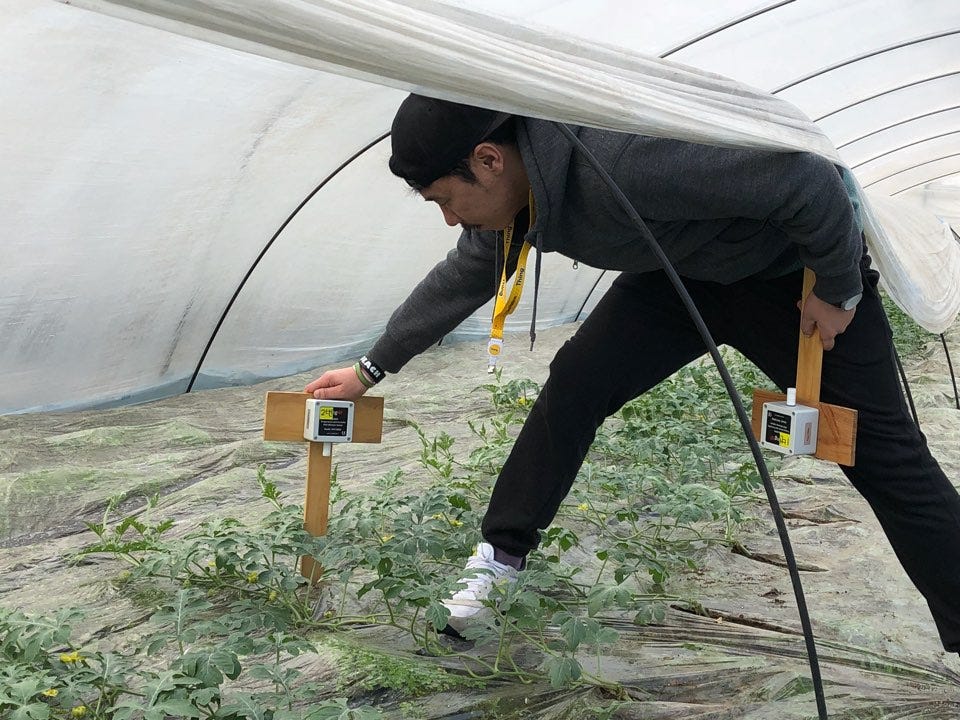
Temperature and humidity sensors were installed inside each greenhouse.
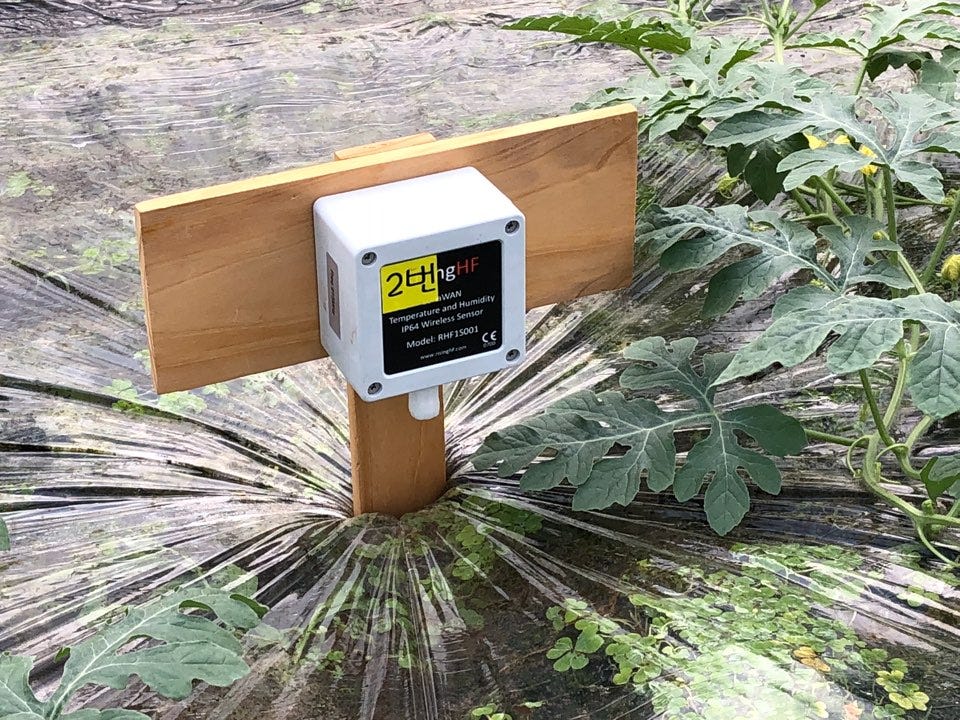
Finally, once everything was installed, we verified through the dashboard that the collected data matched manually taken temperature and humidity readings, and that the data appeared on the dashboard reliably and without interruption.
On the very first day of installation, together with our partner, we were able to immediately identify issues with the greenhouses’ heating and ventilation systems.
Temperatures above 50 degrees Celsius were measured in some greenhouses, and the average temperature in most greenhouses was above 40 degrees Celsius.
Considering that the optimal growing temperature for watermelons is around 32 degrees Celsius, the scale of the energy waste was truly astonishing — and a shock to the greenhouse owner as well.
The process of adjusting and correcting heating and ventilation system settings by season and timing began immediately, and we expect similar issues to keep being resolved on the basis of the data.
Results and Next Steps
Over the coming months, greenhouse operators and partners will discover many more areas where efficiency and processes can be improved through data monitoring and analysis. By continuously collecting data for future analysis, simply entering optimal target values and spotting where actual results do not match expectations reveals a variety of issues on the farm.
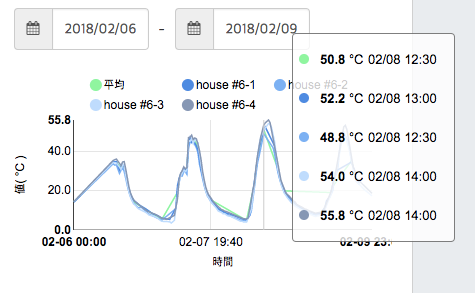
A graph visualizing the collected data
Before the Thing+ team returned to Korea, we were able to identify and immediately resolve issues with the greenhouses’ heating and ventilation systems, and improvements will continue to be made to match the optimal conditions the greenhouses require.
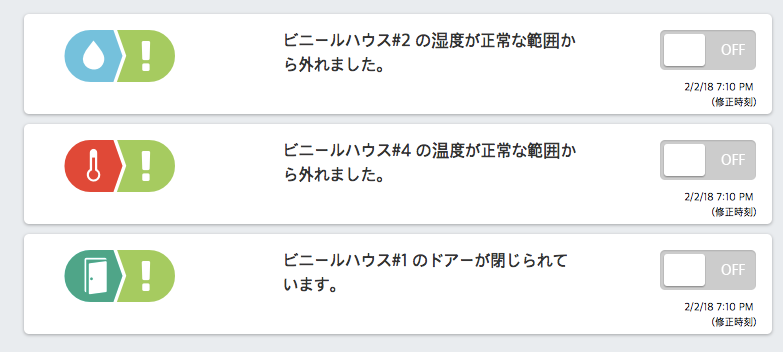
Rule notifications tailored to the greenhouse environment
Alerts are triggered for unexpected fluctuations in greenhouse temperature and humidity, and unexpected events are handled directly by the greenhouse operator. Automation of the greenhouses’ heating and ventilation systems is already under development.
We will update this post later on the scope of the automation process.
The response to the project’s initial impact has been very positive. We have been asked to add carbon dioxide and light-level measurement to the solution, and we will share more about this in an epilogue to this post.
Once the carbon dioxide (CO2) and light sensors have been added and tested, we plan to scale up to a larger commercial deployment in Japan in the near future.
Knowing how important these two environmental variables are to crop cultivation, we hope that by working with our Japanese partners we can help greenhouse farm owners break free from the constraints of the past and carry out this kind of real-world data monitoring and analysis at an affordable cost.
Project Conclusions
Building and installing a wireless system capable of tracking critical environmental data used to be extremely expensive. Applications and solutions from major industrial service companies are proprietary and very costly. However, the emergence of long-range, open-source-based wireless network technologies such as LoRaWAN has made digitalizing data produced in physical environments remarkably simple and affordable.
Thing+ was designed to support this kind of hardware and use case easily and quickly. It provides the applications, backbone, and software components businesses need to put it to use in the field.
Thing+ fully supports white label services, avoids expensive proprietary and closed software, and works with partners in pursuit of mutual success.
If you are interested in Thing+, please contact us anytime 🙂
Thank you.