AIoT Is Building a Sustainable Future
In 2015, the UN General Assembly adopted the ‘Sustainable Development Goals (SDG),’ a set of shared global objectives. The SDGs are an agenda adopted so that humanity can live better lives through sustainable development, comprising a total of 17 goals to be achieved by 2030. They cover a wide range of issues, including poverty and hunger as well as education and clean water—problems that many of the world’s developing countries face today.
Having advanced steadily for years and now entering a period of rapid growth, IoT can serve as a solution to the serious problems confronting us socially, economically, and environmentally. Let’s look at the SDGs that IoT can help achieve.
SDGs and IoT: Partners in Sustainable Development
Sustainability experts Grischa Beier, Silke Niehoff, and Bing Xue addressed all 17 SDGs—from ending poverty to ending hunger—in their IoT research report, ‘More Sustainability in Industry through Industrial Internet of Things.’
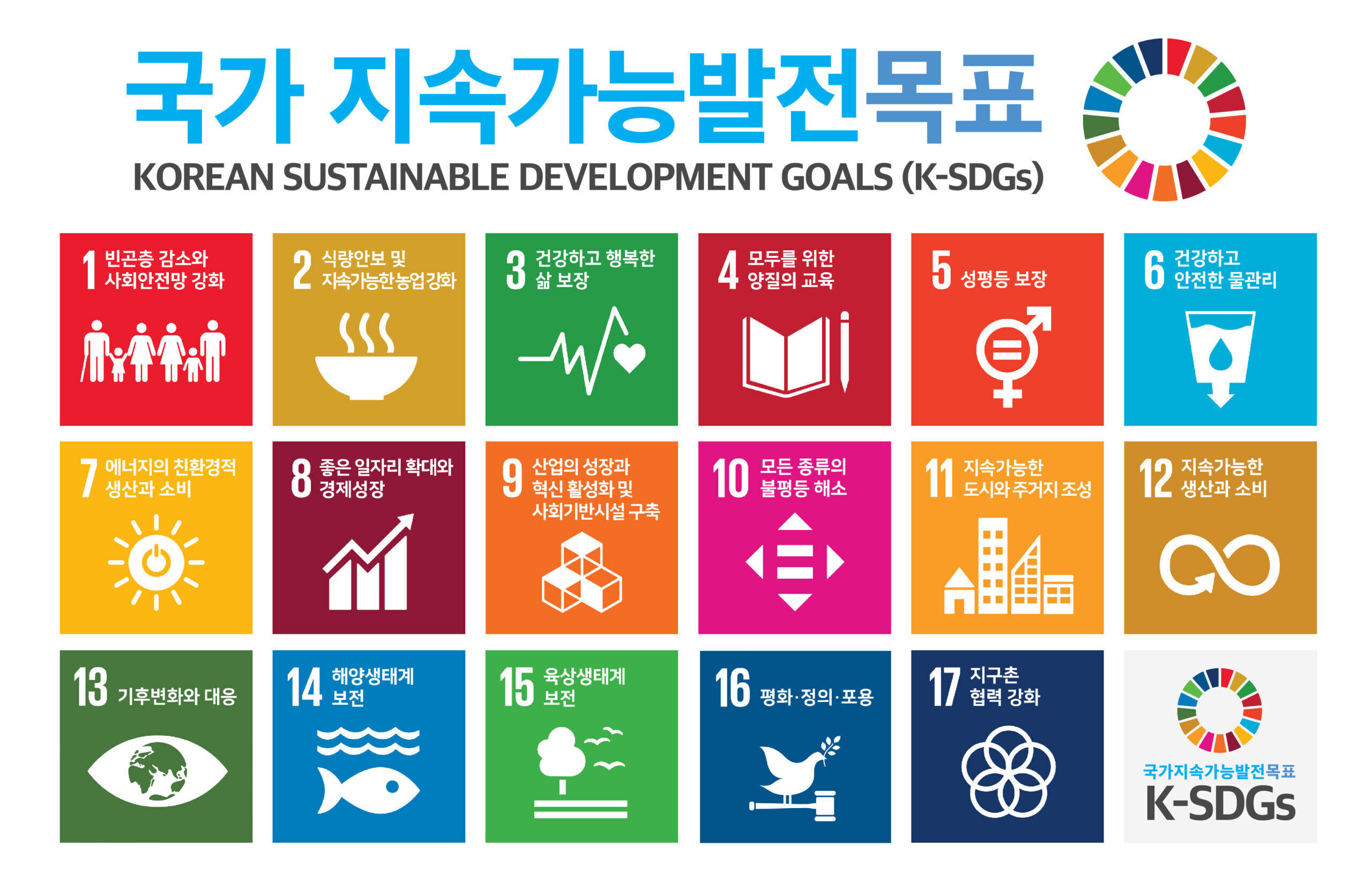
Sustainable Development Goals (SDG)
IoT can play a central role in achieving these 17 SDG goals. That is because IoT is a key enabler of the ‘connected economy.’ Humanity today lives in an era with more data and more technologically actionable information than ever before. Ironically, however, people often turn a blind eye to what is actually happening around them. Many scientists have long pointed to environmental problems such as climate change and global warming, yet their warnings have gone largely unheeded.
This lack of awareness has become a problem in its own right, ultimately confronting us with enormous challenges. Regardless of whether people believe climate change is happening, sustainability is under threat from pollution, environmental destruction driven by overexploitation, and resource scarcity. This is why the need for plans to secure a sustainable future is coming to the fore: sustainability problems exist here and now, and they must be solved without further delay.
IoT’s Role in the SDGs
The SDGs call for action of every kind to promote prosperity while protecting the planet. Ending poverty requires addressing a range of social needs—education, health, social protection, and job opportunities—alongside economic growth. It also requires strategies for tackling climate change and protecting the environment, put into practice by everyone together.
Today, IoT technology is contributing to better quality of life and stronger corporate competitiveness. With IoT, the SDGs can be advanced through the following:
– Lower manufacturing costs
– Conservation and better use of natural resources
– Improved product quality
– Regulatory compliance
For example, in most urban areas, waste management is one of the biggest issues and headaches for municipal authorities. The scale of waste is so large that it can already harm residents’ health—a problem caused by inefficient waste management policies. This is especially true in developing countries whose economies are just taking off. Improperly handled waste can cause a variety of health problems and affect air and water quality, making it a serious concern.
Here, IoT can play a major role. As some cities are already doing, trash bins can be fitted with their own sensors to monitor collection volumes. When a bin is full, the sensor sends a message—with its GPS location and IP address—to a central facility via the internet or satellite. IoT solutions and devices like these can help determine the optimal times to collect waste and keep bins available.
Challenges and Solutions
While IoT is playing an important role in the SDGs, hurdles remain. A system that works well in one country, for instance, is not necessarily applicable worldwide. All parties involved must also be able to play meaningful roles in achieving the goals. Proper enforcement and functioning are required so that society can reach its goals along with the systems and procedures.
Achieving the SDG targets therefore requires a focus on interoperability. That makes an effective IoT platform, reliable solutions, and achievable goal-setting essential.
Companies and governments must ensure that IoT platforms operate as trustworthy, valuable propositions. They must also be able to achieve goals that align with public trust and public needs. Platform integrity and transparency can thus serve as tools to guarantee that all data and research operate effectively and confidentially, without causing unnecessary problems.
Grischa Beier, who led the SDG research, stressed that to achieve the goals, the final design of IoT must be human-centered and equipped with results-based systems.
SDGs Driven by IoT
Reducing Poverty and Strengthening Social Safety Nets
In fighting poverty, IoT provides solutions related to digital finance, affordable clean energy, food, healthcare, education, employment, and vocational training.
Strengthening Food Security and Sustainable Agriculture
Using IoT and geospatial technology, it supports minimal resource use, better yields, waste reduction, food transparency, longer shelf life, the circular economy, precision agriculture, urban vertical farming, smart farms, and more.
Ensuring Healthy, Happy Lives
In health and well-being, IoT is used for digitizing patient and device data, personalized healthcare, health services for vulnerable regions, clinical support, digital health, and precision medicine.
Healthy, Safe Water Management
To ensure clean water and sanitation, relevant data and IoT technology are used to deliver services for water purification, affordable and equitable access to drinking water, rainwater capture, and wastewater treatment.
Eco-Friendly Energy Production and Consumption
IoT technology enables systems that visualize energy—electricity, heat, gas—and optimize the operation of equipment. Because energy use can be understood and managed optimally, energy can be consumed rationally.
Fostering Industrial Growth and Innovation and Building Infrastructure
In industry, innovation, and infrastructure, IoT technology is used for smart mobility, pollution reduction, sanitation and energy management in underserved areas, air quality management, open finance, and infrastructure data.
Creating Inclusive, Safe, Resilient, and Sustainable Cities and Settlements
Sustainable cities and communities use IoT to manage carbon, air quality, hazards, disasters, green mobility, waste, and more.
Sustainable Production and Consumption
In responsible consumption and production, IoT technology addresses supply chains, resource circulation, water conservation, and feed. For example, supply chains are tracked to identify anomalous activity, location, dates, duration, and mass, and are displayed on real-time maps.
Climate Change and Response
For concrete climate action, IoT technology is applied to digitalization and to carbon tracking and reduction.
Preserving Marine Ecosystems
Ocean water quality, smart fishing, prevention of marine plastic pollution, and sustainable fishing and aquaculture are solutions where IoT technology is essential.
Preserving Terrestrial Ecosystems
Life-on-land solutions use IoT-based geographic data to address biodiversity, climate-resilient agriculture, tree planting, precision beekeeping, soil and natural ecosystems, and natural disasters.
Achieving Corporate SDGs with IoT
IT Pro, an overseas online tech news site, explains that as more companies focus on climate efforts such as strengthening sustainability, IoT will play an important role in corporate environmental initiatives.
The first step in improving sustainability is for the managing organization to understand its current sustainability level. IoT sensors can be used to check sustainability in real time. In particular, combining IoT with machine learning opens up a broad range of sustainability applications, such as reducing wasted energy.
For example, IoT sensors can be mounted on equipment ranging from pumps and motors to factory facilities and logistics trains, measuring space occupancy, temperature, humidity, and air conditions while instantly analyzing the impact on energy use. The sensors can then flag equipment consuming excessive energy and trigger responses such as shutting it down to reduce consumption. Temperature sensors can also activate heating, cooling, and ventilation systems to keep indoor spaces from overheating.
Some companies are already using IoT to meet their sustainability goals.

Deloitte deployed IoT in Amsterdam’s Edge building to improve sustainability. According to Deloitte, the Edge has been named the most sustainable building in the world.
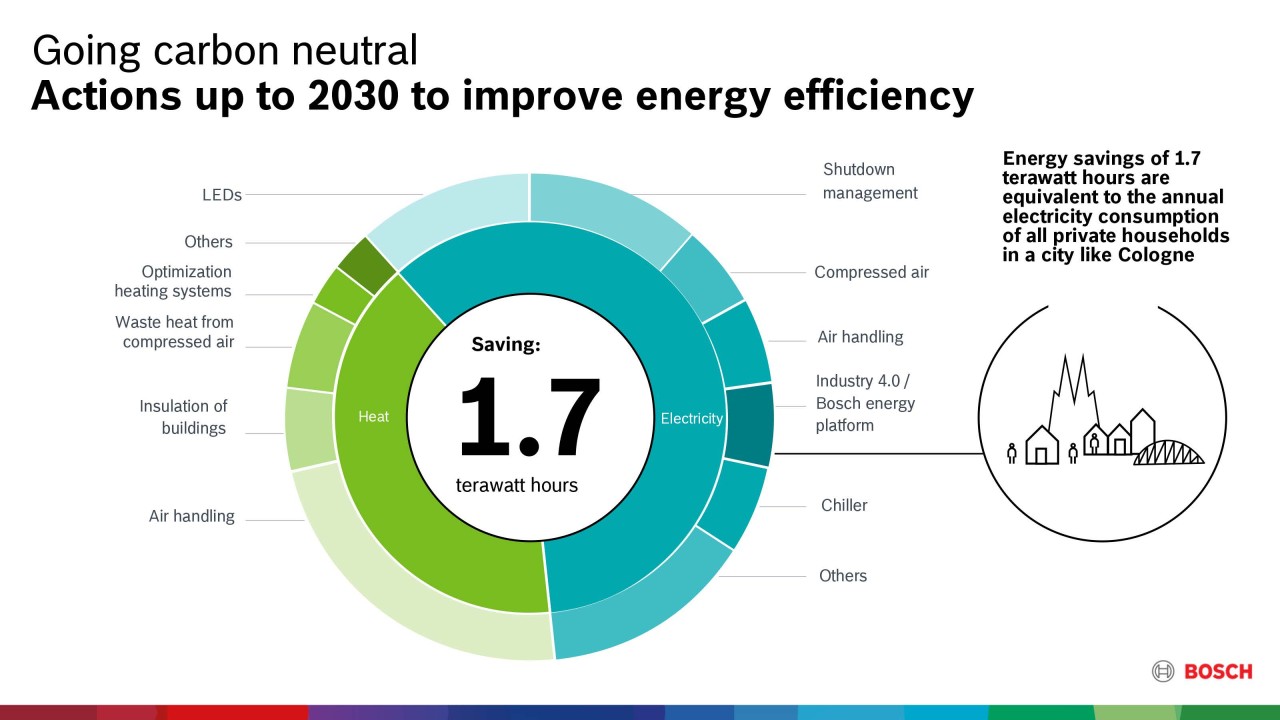
Bosch, which began phased carbon-neutrality efforts in 2020 to improve the energy efficiency of industrial equipment, is using IoT and machine learning to cut energy consumption.
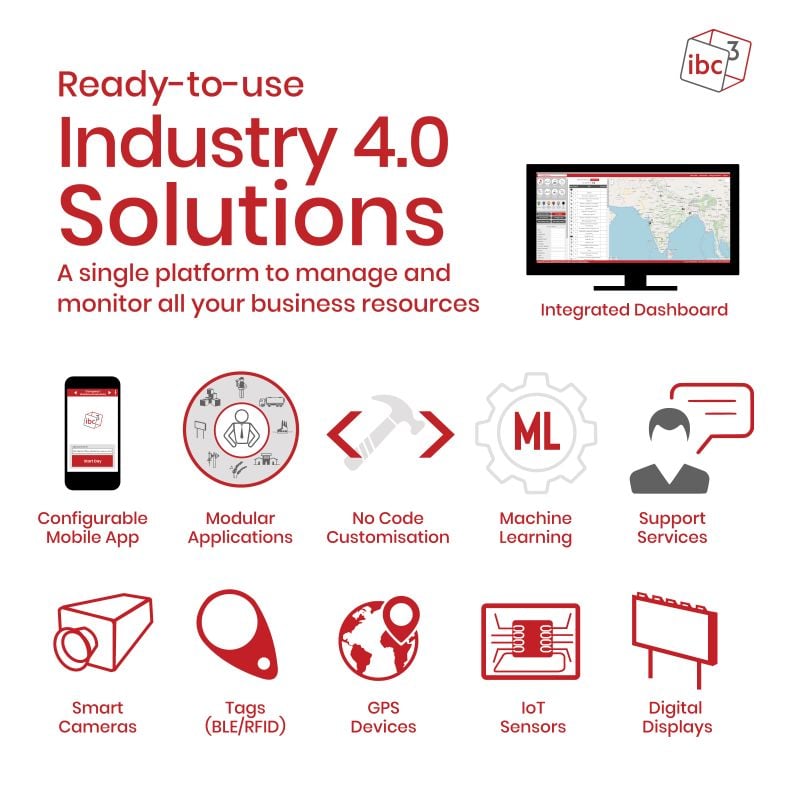
Indian IoT company IBC Cube uses its own system to help save fuel by automatically shutting down the diesel backup generators it operates while power supplies draw on available electricity.
When Green Data Meets AI
Meanwhile, as companies actively adopt IoT and AI to improve sustainability, attention is also turning to combining activity data—built on digitalized environmental management—to develop deeper insight into carbon emissions.
Bettina Tratz-Ryan, vice president at market research firm Gartner, suggests that companies can use environmental data to drive environmental improvement efforts for both businesses and communities. “Environmental data collected by companies can catalyze communities toward sustainability and enable new applications such as assessing individuals’ carbon footprints and reducing waste,” she said.
IoT and AI hold enormous potential for realizing the SDGs. More data opens more opportunities. The transformation of data into environmentally meaningful information, in particular, still holds much unrealized potential. This applies both to optimizing existing internal corporate data and to projects involving multiple companies—though for the latter, the barriers to clear are higher.
Today, AI technology is contributing to climate action and ecosystem preservation. With AI, the SDGs can be advanced through the following:
– Pollution detection
– Sustainable agriculture
– Energy optimization/reduction
– Better resource use
For example, AI can detect water contamination in production processes using simple camera data. In more sophisticated projects, entire manufacturing processes can be recalibrated so that simple procedural changes reduce energy and resource consumption while also cutting costs.
Thanks to IoT, sensors and actuators can now be integrated easily, quickly, and cheaply. You do not even need 5G for this—NB-IoT or LoRaWAN usually provides everything required. The investment costs are generally modest. What is often missing is simply the initiative to pursue it.
Fishing is another sector emerging as a problem in many developing countries, where rapidly dwindling fish stocks are being overfished and exploited. Some advanced countries use IoT trackers. Connected to local networks, the trackers let fishers determine catch volumes—so fishing can be halted the moment overfishing is detected.
Nearly every company has potential here, and some are already putting their data to good use. Moves like these are not only good for the environment—they also have a positive financial impact over the mid to long term, because they are directly tied to ESG.
Building a Sustainable Future with AIoT
The SDGs are goals the whole world must act on to address poverty, inequality, and the global environment. At the same time, sustainability goals are increasingly becoming core drivers of business value and corporate reputation. AIoT solutions play a critical role in helping companies realize safe, smart, and sustainable goals. Unlocking the insights hidden in operational data will be the key to supporting and executing billions of better decisions across industries—boosting productivity, cutting energy consumption, and reducing environmental impact.
If you would like to learn more about AIoT solutions for advancing the SDGs and how to adopt them, contact Daliworks!