Successful Smart Factory Implementation Case Studies
Smart factories have emerged as a core element of the Fourth Industrial Revolution, driving innovation in manufacturing. By combining advanced technologies such as IoT, AI, and big data, they play a major role in maximizing productivity and reducing costs. In this article, we examine the benefits of smart factories and the key points of the adoption process through successful implementation cases.
Success Story 1: Siemens of Germany
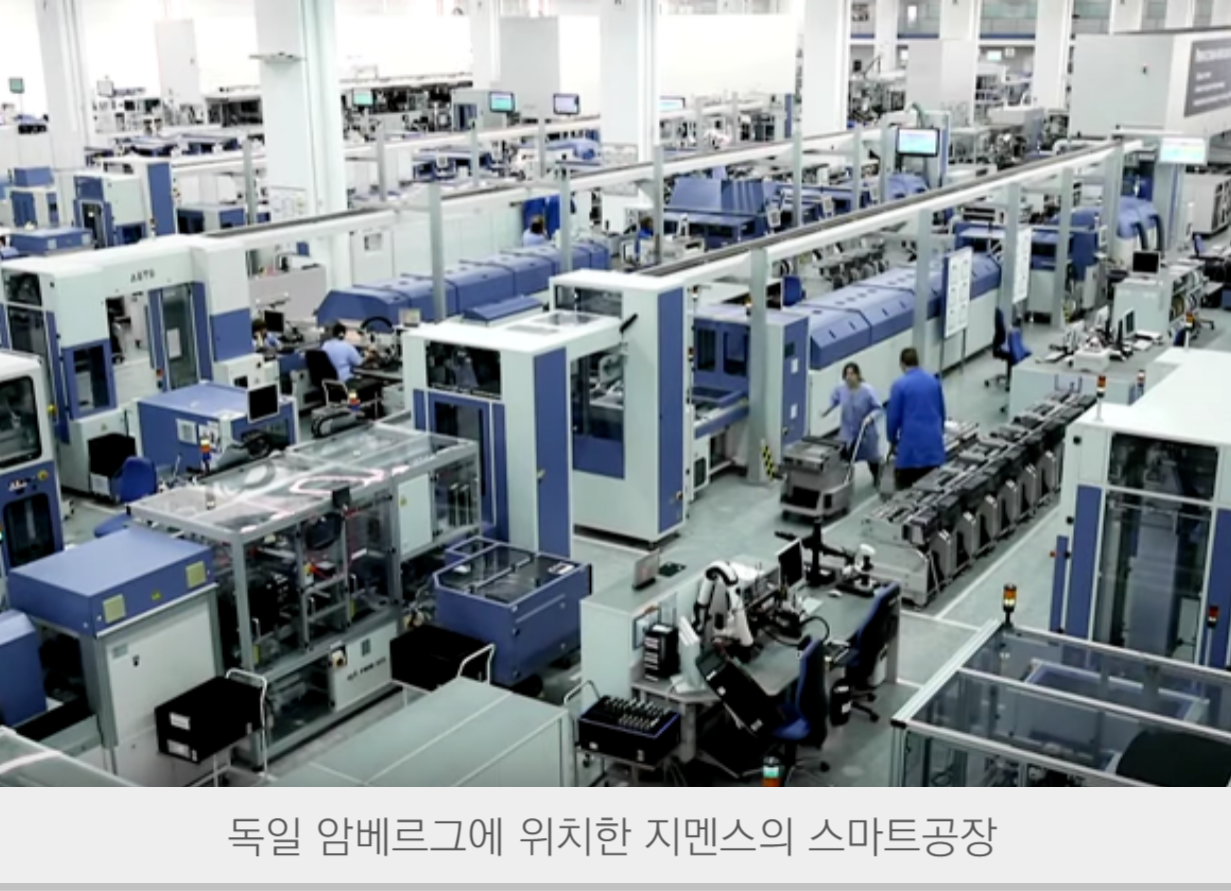
Siemens is a leading example of a traditional manufacturer that transformed into a smart factory through digital innovation. The Siemens Amberg plant moved beyond conventional manufacturing processes and dramatically improved efficiency through comprehensive digitalization.
Implementation Process
– Digital Twin : Products and production processes were simulated virtually to identify the optimal production methods.
– Automation Systems : IoT-based automation systems enabled real-time data collection and analysis, allowing problems to be predicted and resolved in advance.
– AI and Machine Learning : AI was used to optimize production processes, with continuous improvement driven by machine learning.
Results
The Siemens Amberg plant reduced its defect rate to 0.001% and increased productivity by 1400%. This clearly demonstrates the transformative change that smart factory adoption can deliver.
Success Story 2: Samsung Electronics of Korea
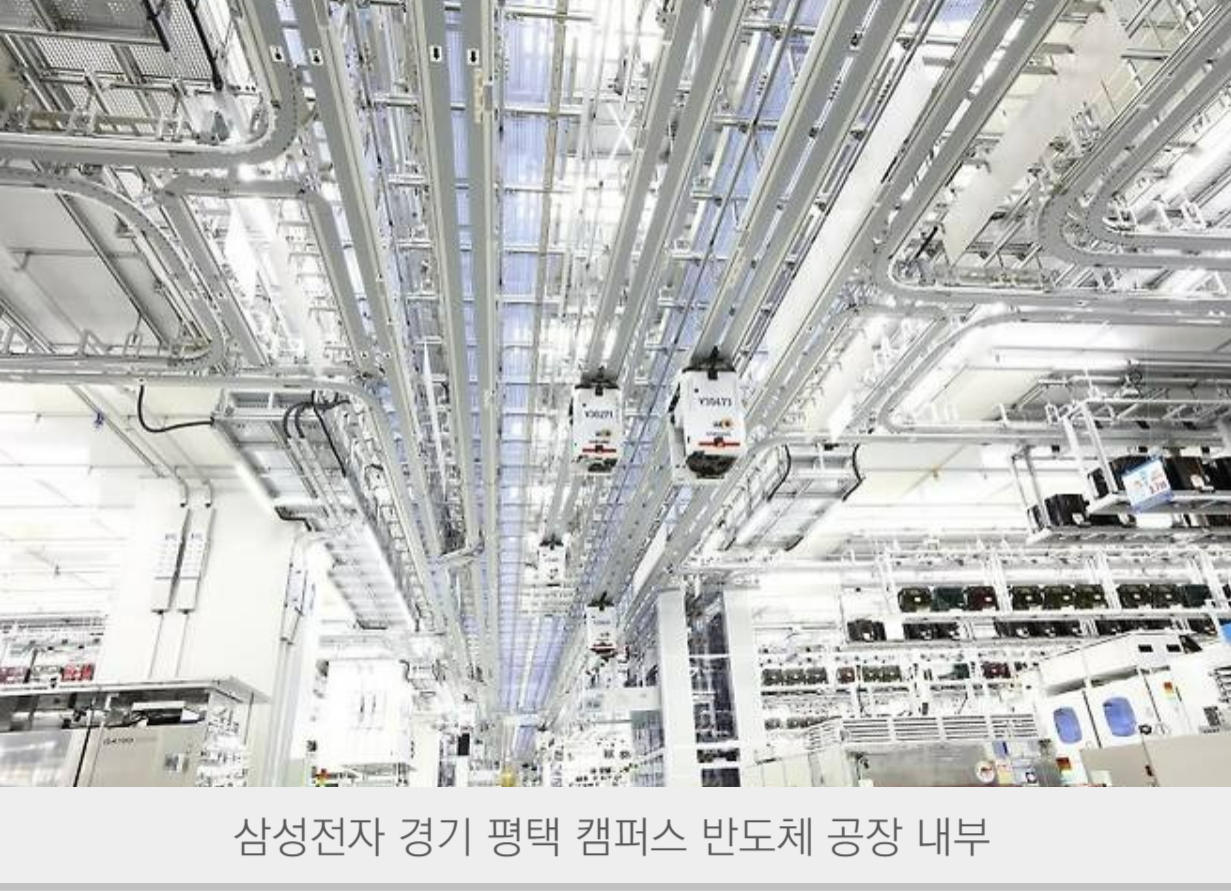
Samsung Electronics, a global leader in the electronics market, is maximizing productivity through smart factory adoption. In particular, the company achieved significant results by introducing smart factory technology into its semiconductor production processes.
Implementation Process
– Advanced automation systems : Process automation systems were introduced to maximize the efficiency of production lines.
– Big data analytics : Data generated during production was analyzed in real time to improve quality control and productivity.
– IoT and AI integration : IoT devices and AI technologies were integrated to enable real-time monitoring and predictive maintenance.
Results
Through smart factory adoption, Samsung Electronics reduced production costs by 30% and improved productivity by 25%, contributing significantly to maintaining its global competitiveness.
Success Story 3: General Electric (GE) of the United States
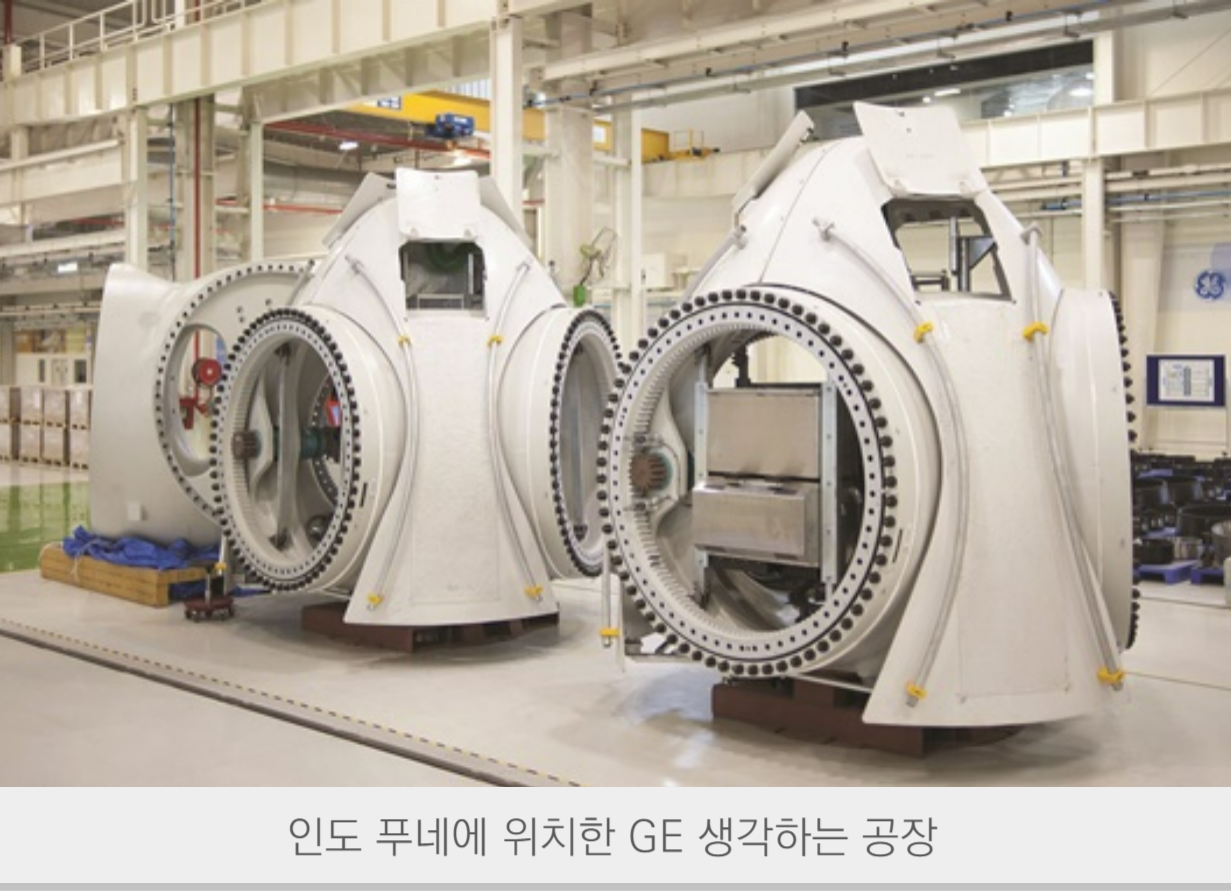
General Electric (GE), a global company operating across a wide range of industries, is using smart factory adoption to boost productivity and cut costs. In particular, GE achieved outstanding results by applying smart factory technology to its aircraft engine manufacturing processes.
Implementation Process
– Industrial IoT platform: GE used its Predix platform to digitize all manufacturing processes and collect and analyze data in real time.
– Advanced sensors and monitoring systems: A variety of sensors were used to monitor equipment status in real time and carry out preventive maintenance.
– AI and data analytics: AI was used to analyze production data, identify optimal production conditions, and continuously improve manufacturing processes.
Results
Through smart factory adoption, GE reduced aircraft engine production costs by 20% and shortened production time by 15%. This contributed greatly to improving product quality and customer satisfaction.
Key Success Factors for Smart Factory Adoption
– Leveraging digital twins : Virtual simulations allow you to plan optimal production methods in advance.
– Real-time data analytics : IoT and big data enable real-time monitoring and improvement of production process efficiency.
– Applying AI and machine learning : AI optimizes production processes, and machine learning enables continuous improvement.
– Advanced automation systems : Automation systems minimize human error and maximize productivity.
Conclusion
Smart factories are becoming a core driver of the future of manufacturing. The cases of Siemens, Samsung Electronics, and General Electric clearly illustrate the transformative change that smart factory adoption can bring. Through these success stories, you can understand the importance of smart factory adoption and the concrete methods involved, and apply them to your own company’s circumstances.
Prepare for the future of manufacturing with these successful smart factory implementation cases!
✅ Recommended Reading