This is Part 3 of our series, ‘Cooling Cost Reduction Strategies You Can Start Right Now.’
Part 1: 🌡️ The More You Run the AC, the Higher the Bill? How to Save with an AI-Based HVAC Control System
Part 2: 💨 A Low-Cost Smart Cooling Strategy: Cutting Store Electricity Bills with IR Control
With rising electricity rates and tightening energy efficiency regulations, smart control technology that cools ‘only when people are present’ is spreading rapidly across manufacturing sites. At its core is Occupancy Detection.
“The AC Keeps Running Even When No One Is There?”
In summer, manufacturing sites run cooling by production line and by zone, yet the AC often runs at full blast regardless of whether anyone is present. This goes beyond simple power waste — it drives up unnecessary maintenance costs and carbon emissions. The key technology that solves this problem is Occupancy Detection.
Using sensors and AI algorithms to determine whether people are present, ‘smart cooling control’ that automatically switches AC units on and off has become a reality.
How Occupancy-Based AI Cooling Works
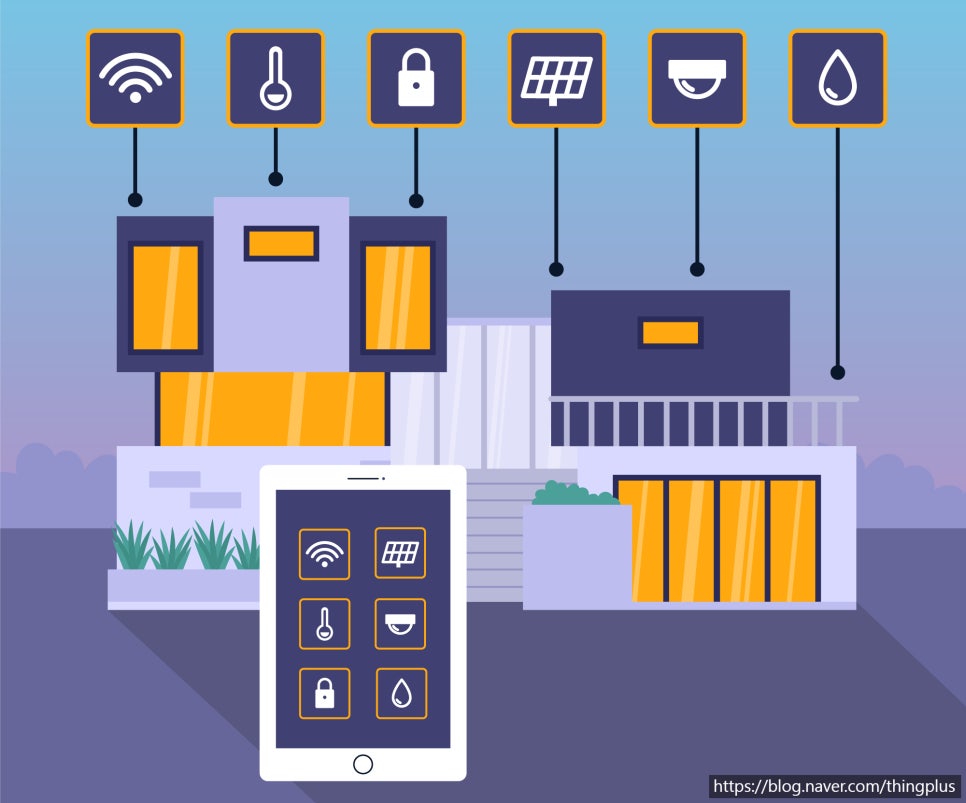
1. Human presence sensors (Infrared, mmWave, etc.) detect whether anyone is in the space
2. An AI algorithm analyzes occupancy status, timing, and density
3. Control commands are sent to HVAC units in real time
4. Cooling runs only when needed → unnecessary energy waste is eliminated
‘Smart Cooling’ That Extends All the Way to AI Control
Modern occupancy detection systems do far more than act as a simple ON/OFF switch. Linked with AI control algorithms, they optimize factory cooling in the following ways.
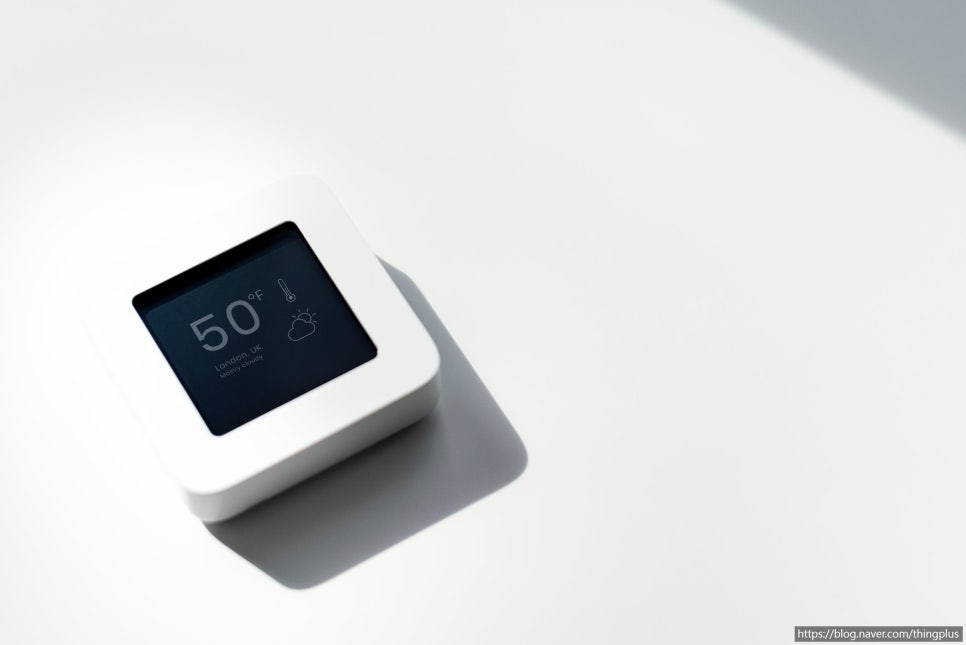
– Integrated control of temperature, humidity, and occupancy patterns: For example, when workers return after lunch, cooling starts in advance to keep the space comfortable
– Independent cooling by zone: Cooling is automatically dialed down in unoccupied zones and boosted in crowded ones
– Peak power avoidance: When power consumption spikes, AC units in non-critical zones are automatically controlled in sequence
Use Cases Across Industries
Occupancy detection works not only in offices and meeting rooms but also in manufacturing environments where temperature management directly affects product quality.

– Large warehouses and logistics centers: Automatic cooling adjustment by zone in high-traffic areas
– Semiconductor and precision manufacturing lines: Control that accounts for both worker occupancy and process temperature
– Food processing and packaging lines: Power-saving mode when no one is present, rapid restart when work resumes
3 Points That Dispel the ‘Hard to Adopt’ Myth
– Wireless sensor installation: Mounts on walls or ceilings with no wiring work
– Compatible with existing HVAC units: Integrates with wired/wireless controllers, no equipment replacement needed
– Cloud-based management: Remote monitoring and control from PC, tablet, or smartphone
Expected Benefits
– 20~40% reduction in cooling runtime (varies by industry)
– Supplies only the cooling each process needs → curbs peak power
– Lower risk of equipment overheating and failure → reduced maintenance costs
AI Cooling: The New Standard on the Industrial Floor
Occupancy detection is more than a power-saving measure — it is a strategy that secures workplace comfort and energy efficiency at the same time. Combined with AI, it enables smart-factory-style energy management that runs cooling ‘only when needed, only as much as needed.’ Because it is easy to install and operate and compatible with existing equipment, you can expect immediate electricity savings without a major capital investment.
✅ Recommended Reading
A Low-Cost Smart Cooling Strategy: Cutting Store Electricity Bills with IR Control